
“Mineral or tap?”
It’s a common restaurant water query. Or how about –
“Sparkling or still?”
I’ve heard that variation, especially while traveling in England. And over in Italy, I learned to respond with “Acqua naturale” – because I prefer my personality to be more bubbly than my H2O!
Until I took a few overseas first gulps which led to Ted Lasso-sized spit takes, I didn’t realize that calling how one takes one’s water is a serious and potentially consequence-filled thing! I’ve been fortunate to get a look at sites in many places of the world where whether it’s sipped, bathed in or worshipped beside, people have been taking their water seriously for an incredibly long time –
And it was refreshing to discover that some of these sacred spots are very close to home!
Okay, while I do doubt that prehistoric mums were grunting after kids from the mouth of the family cave to be sure and stay hydrated, I’m pretty certain the ones who survived to be our ancestors had fresh water close at hand. And springs that supplied this life essential sometimes moved beyond their practical standing to become sacred sources of healing and well being – particularly ones that were rich in minerals and came out of the ground at a warm temperature (for geologic reasons to be named much later).
One place where archaeological layers that reveal these kinds of beliefs are on display is in the once thriving city of Butrint in Albania!
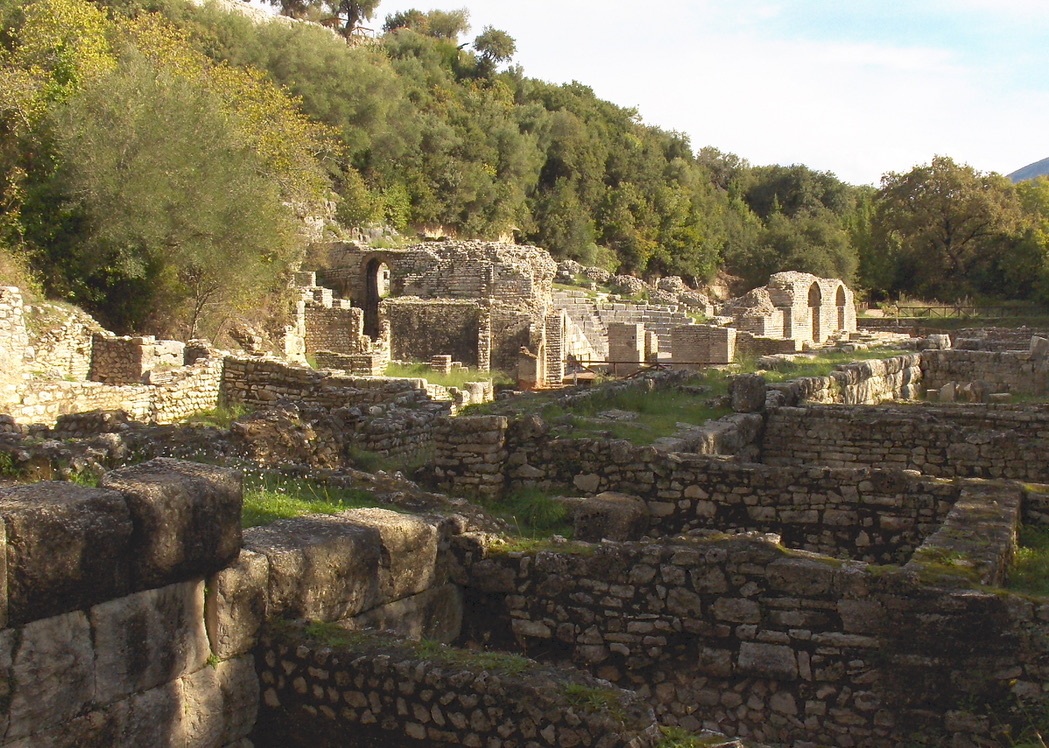
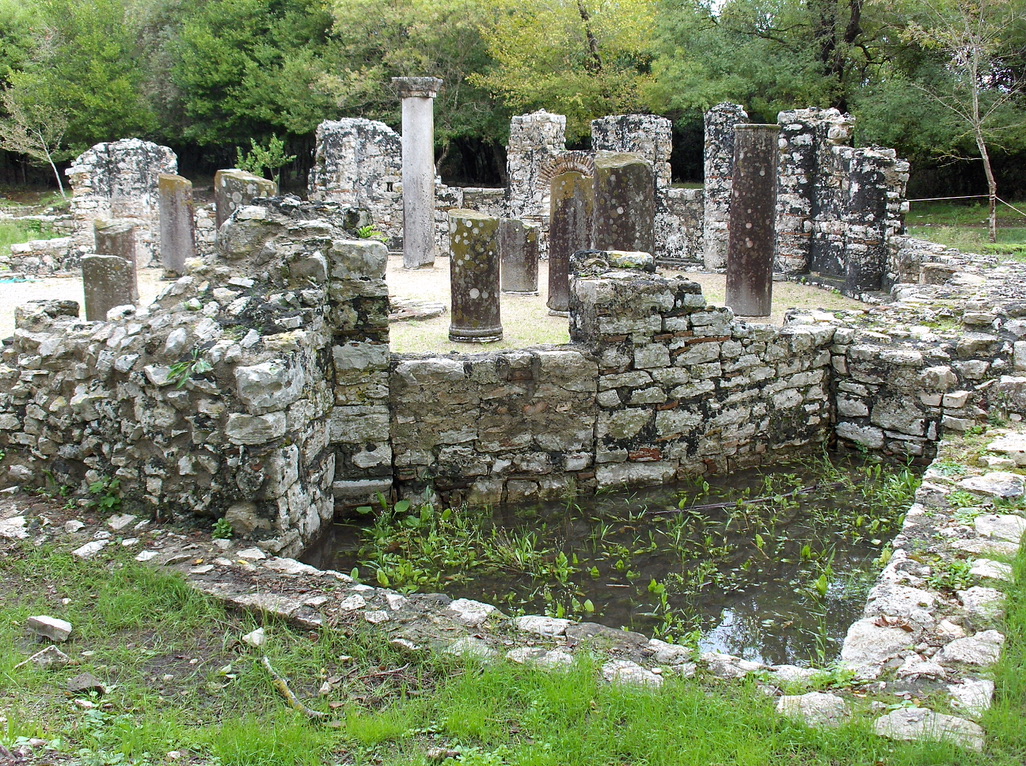
Before declining into these impressive ruins, Butrint’s history included being: the location of a freshwater spring in prehistoric times; a sanctuary for Ancient Greeks in search of healing; a Roman colony complete with elaborate bathing facilities; and an active city heading into Ottoman times! All around this UNESCO World Heritage Site lie solemn testaments to civilizations that once flourished at the mouth of an all-important spring!
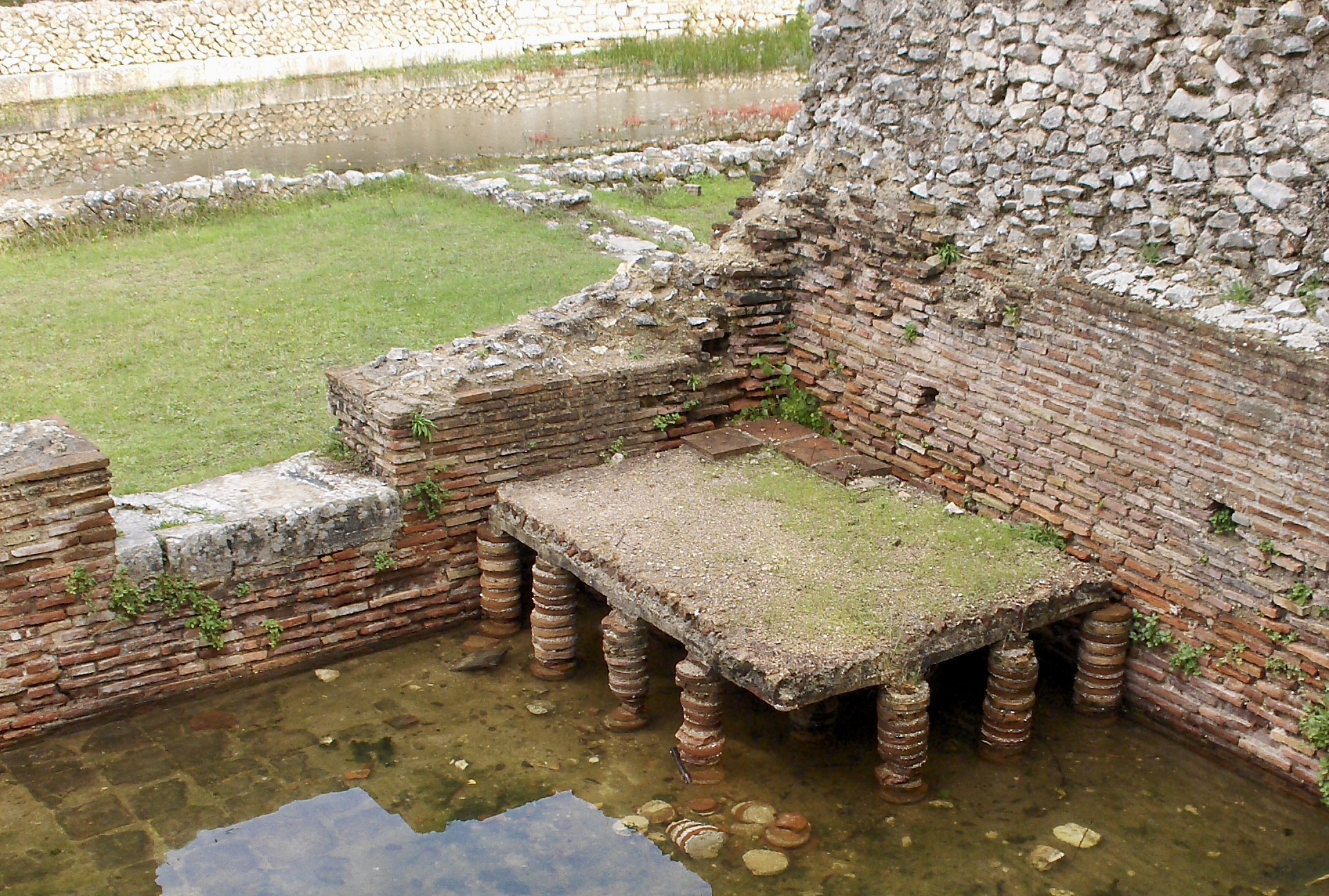
My excursions around the Mediterranean (thanks to Mum and Dad!) sure taught me that those Ancient Romans were an acutely bathe-y group! I’ve been lucky to see what remains of many of the bath complexes they constructed all around their empire, including in cities like Carthage (they had to build one of their famous aqueducts for this one) and Corinth!
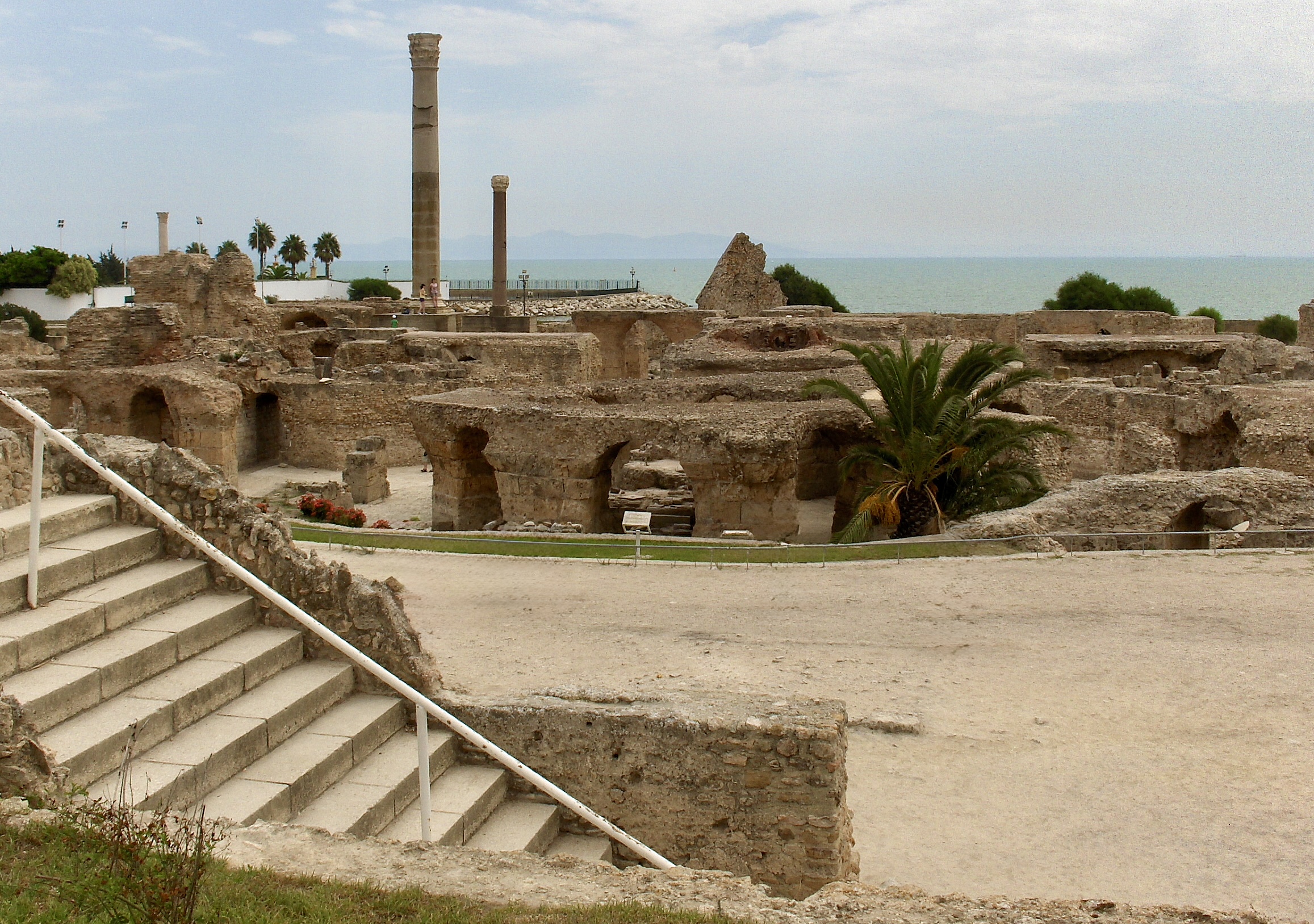
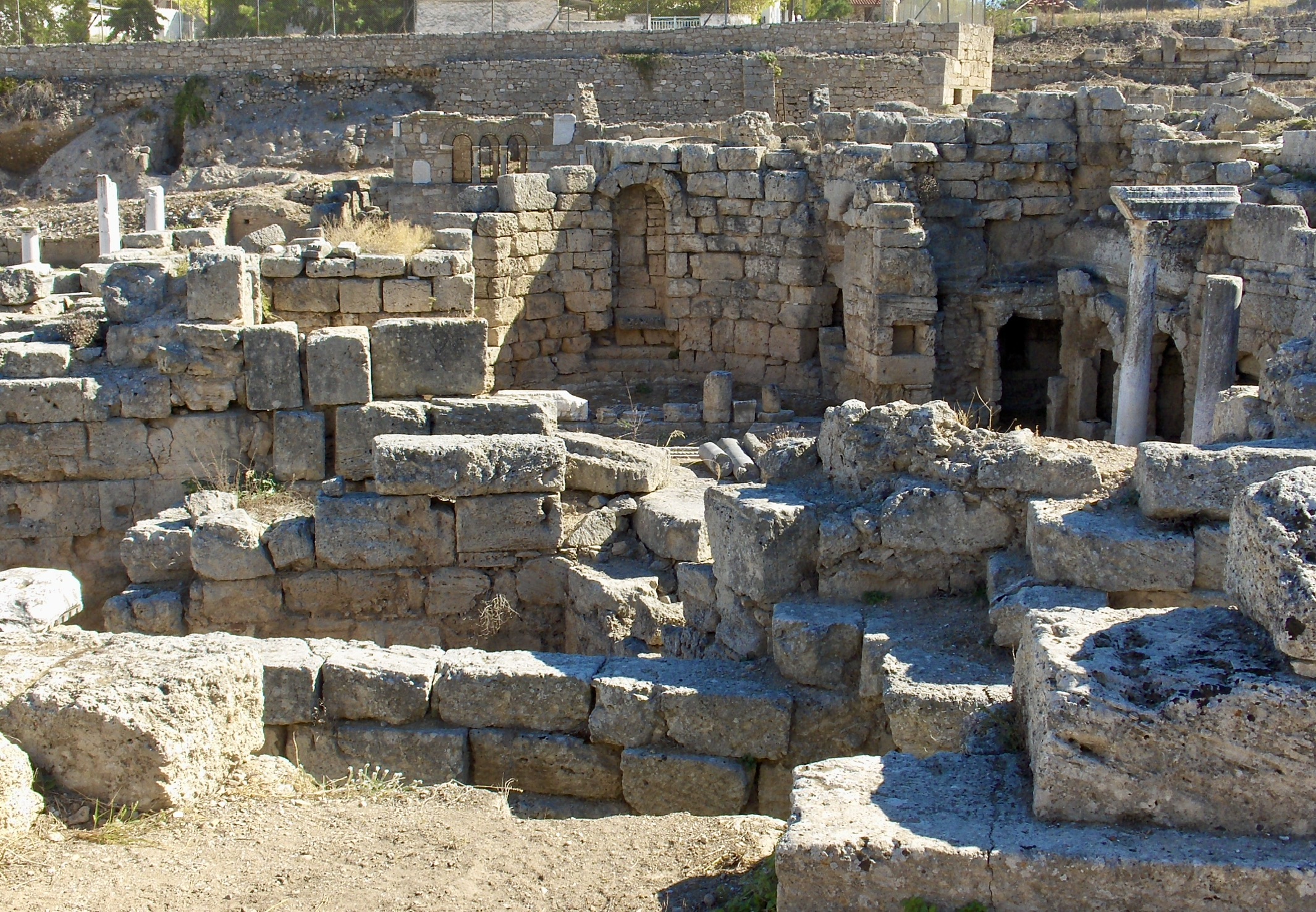
It was over on the far western side of their onetime territory that I got my very first look at a Roman bath back in the 80’s! It’s part of a town in the tranquil English countryside that’s now appropriately known as Bath!
Before the island was so rudely invaded in CE 43, locals there had been taking advantage of the area’s geothermal spring which they dedicated to the Celtic goddess, Sulis. Seems like the Romans took kind of a “waste not, want not” approach with foreign deities – so they paired Sulis with their own goddess, Minerva, and created a temple to them. Naturally, they also built a thermal spa complete with hot, warm and cold baths – and statuary, which made a nice touch (although added, I think, in Victorian times)!
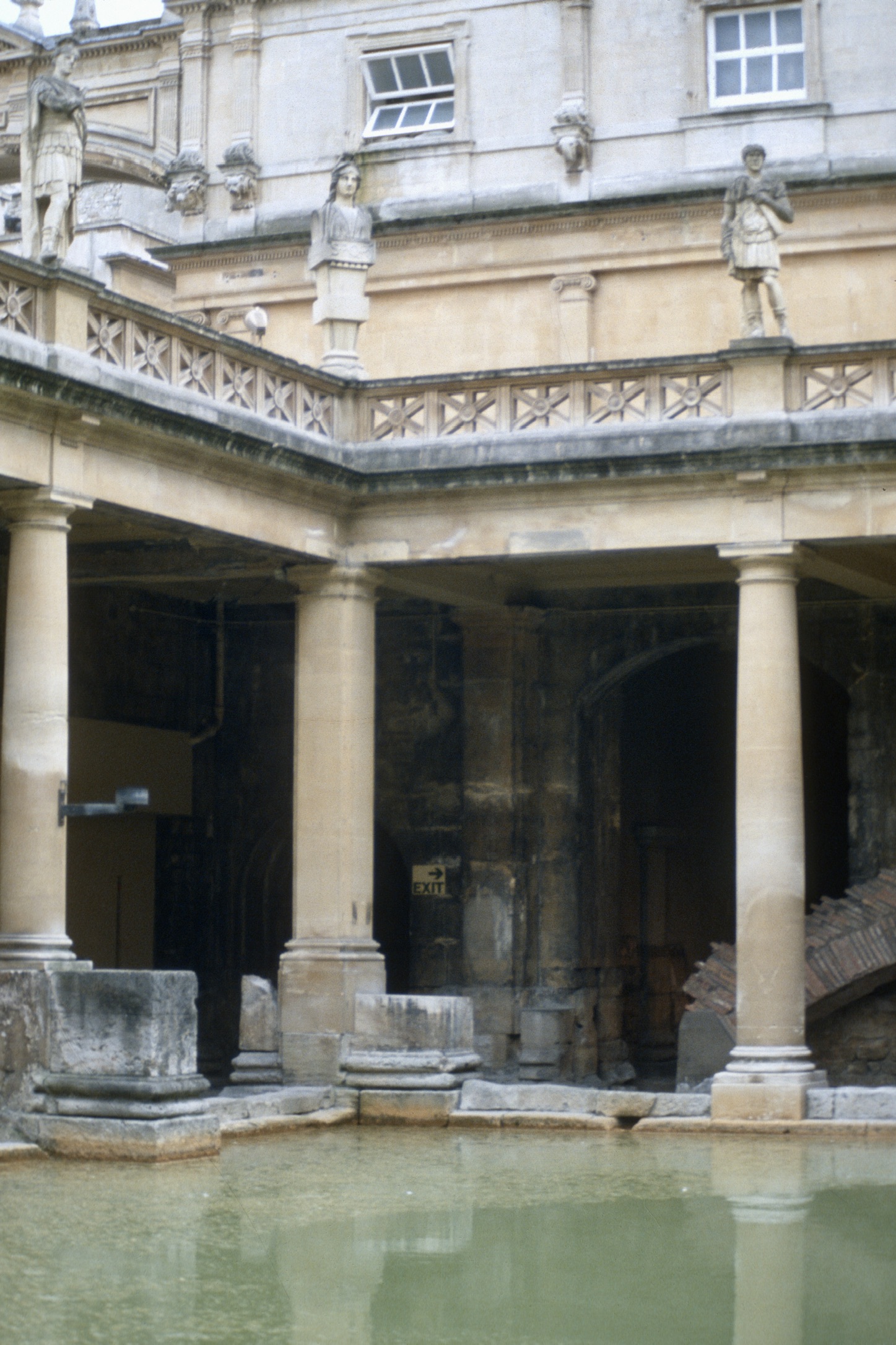
Romano-British residents washed and worshipped here and, as a bonus, could also use the temple for a kind of complaint desk. Citizens would leave “curse tablets” – inscriptions on rectangular pieces of metal – often requesting that Sulis Minerva restore a stolen item and exact punishment on the thief! I don’t know how long it took for a resolution to these complaints, but at least they could relax while on hold…
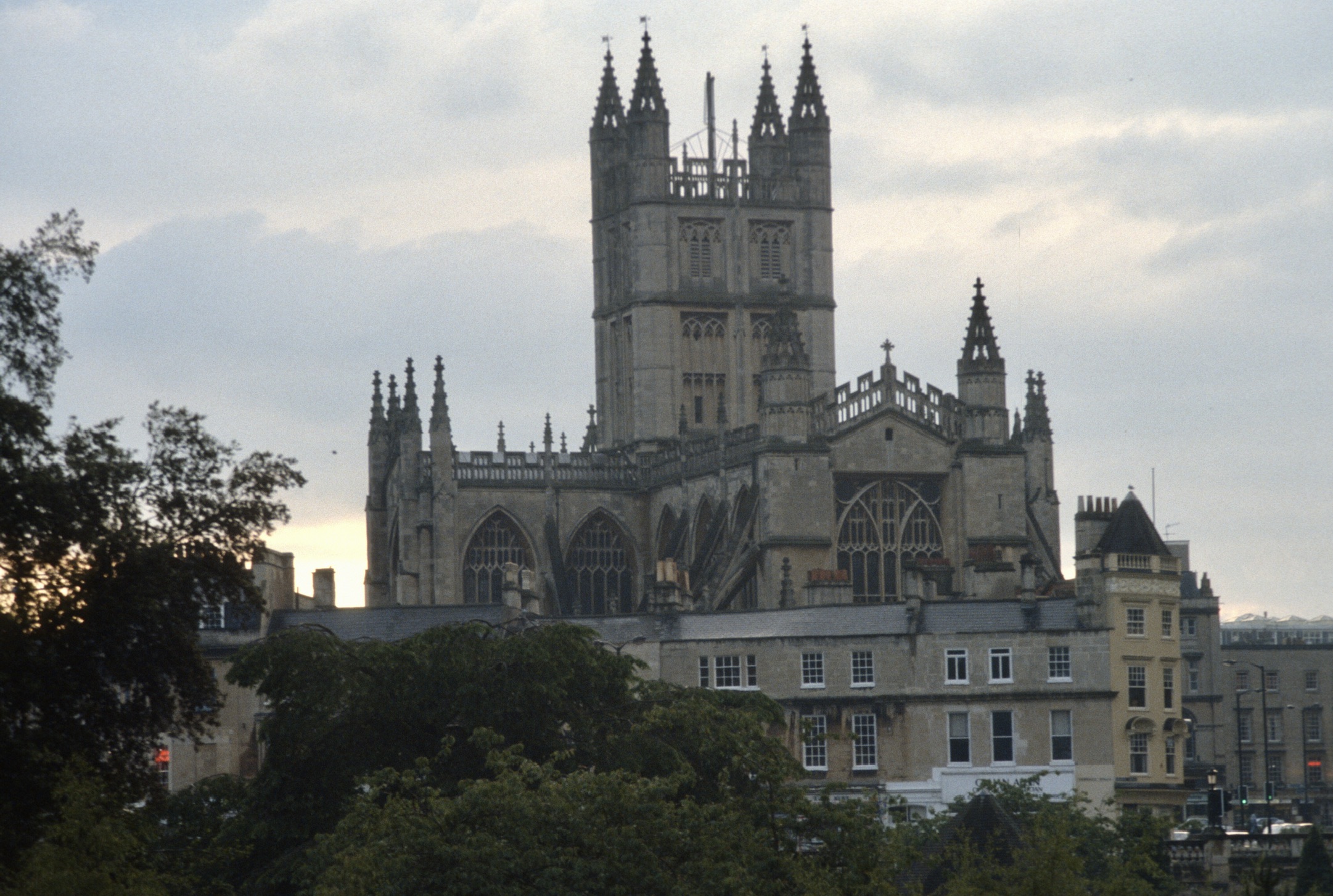
The city of Bath is now another UNESCO site – and anything but a ruin! On top of the baths (almost literally), there’s also a beautiful cathedral, ornate Georgian style buildings like the Royal Crescent, and a tea house called the Pump Room! I tried a sip of Bath’s mineral rich waters there and, um, I have to say I found the sweets and live chamber music much more to my taste…
I don’t want to leave my own continent out of this little survey – even if those bath-obsessed Romans didn’t make it here! One North American area where they might have wanted to set up shop is in Canada’s beautiful Banff National Park! In addition to breathtaking views of the Canadian Rockies, Banff boasts a geothermal spring that was sacred to the local Indigenous people, and later contributed to a bathhouse for park visitors. I opted instead one January night to lounge in the outdoor hot tub at nearby Banff Springs Hotel, where I was treated to those lovely views – and to a magical dusting of snowflakes!
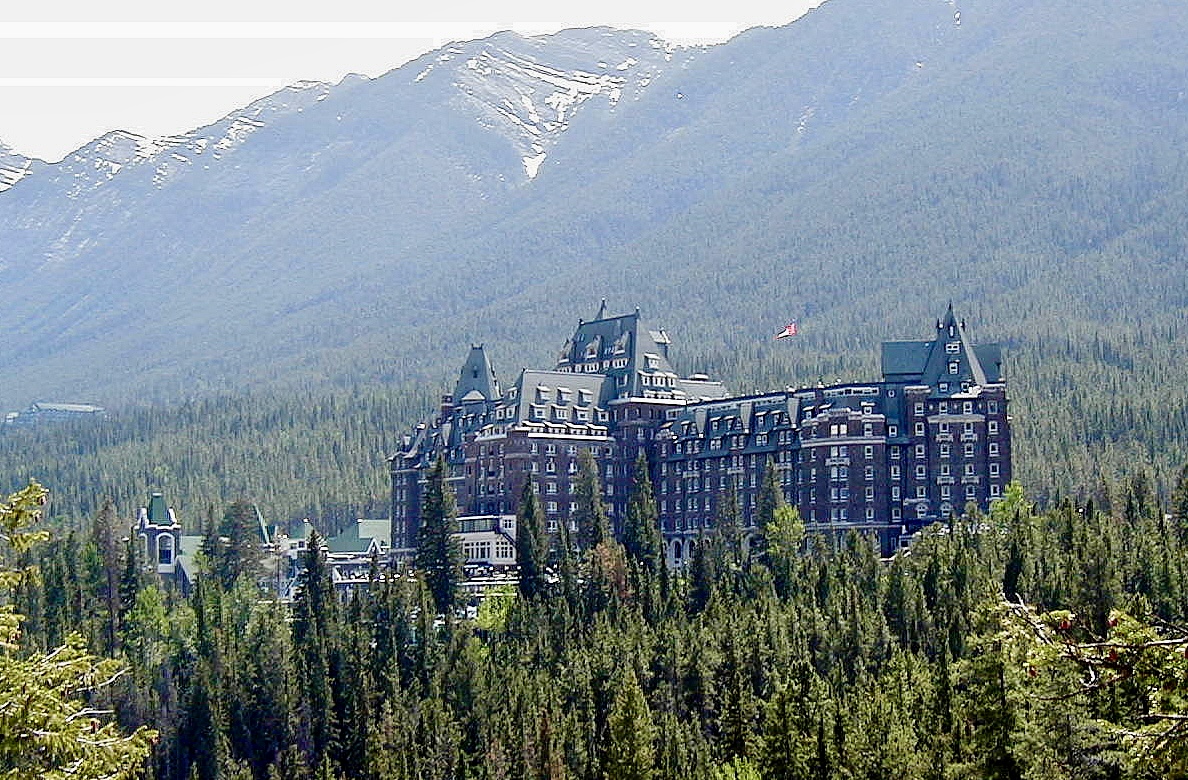
As much as I love seeing the world, it’s been delightful to learn that if springs happened to be my heart’s desire, I don’t have to look much further for them than my own backyard! Here are some places I’ve seen or heard about and definitely want to circle back to:
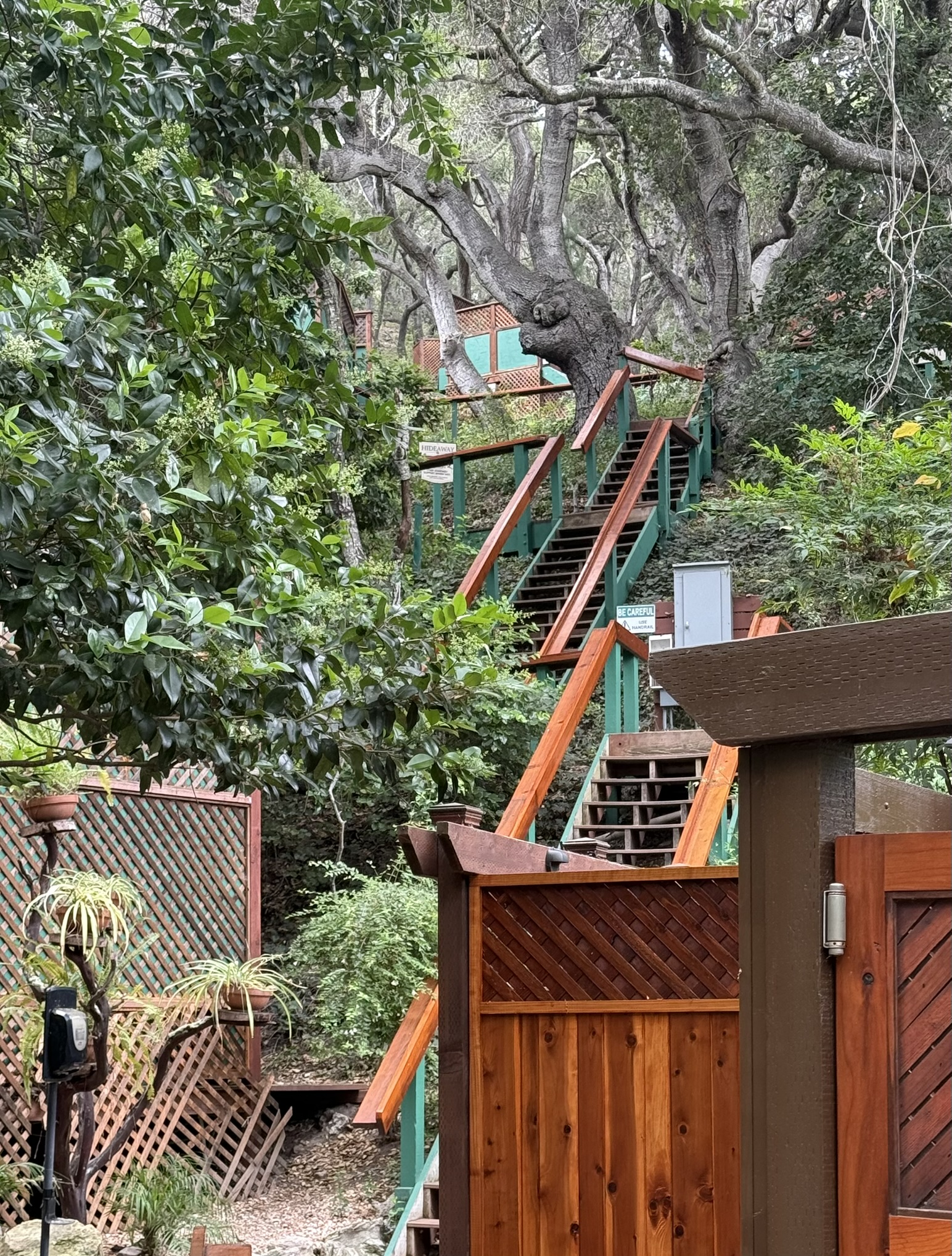
A few hours north of me in San Luis Obispo, I came across Sycamore Mineral Springs and Spa which offers a variety of ways to experience the geothermal waters there – including in one of the terraced hot tubs nestled against a mountainside!
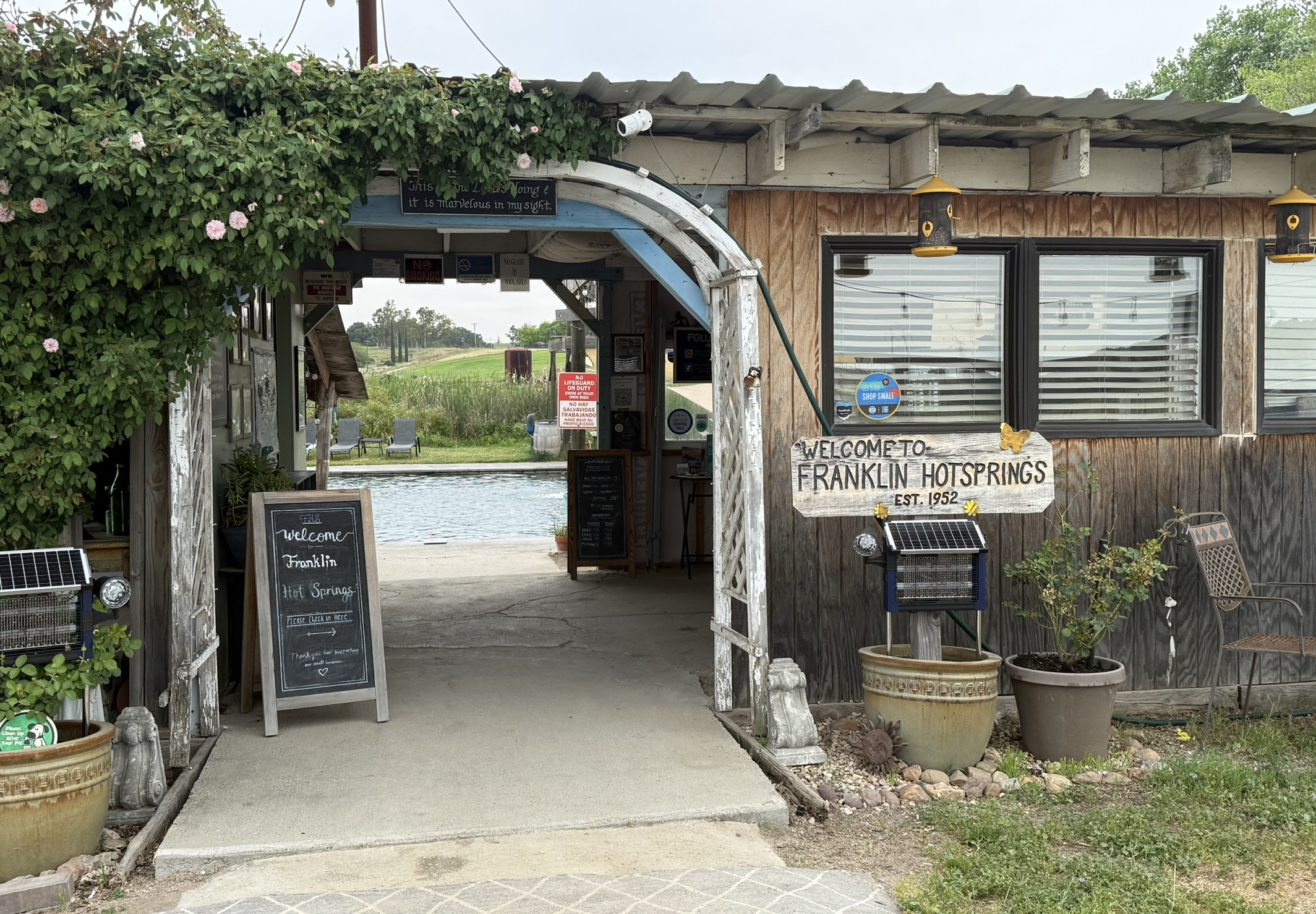
Also about the same distance away is Franklin Hot Springs in Paso Robles where, according to their info, the waters travel underground all the way from Thermopolis, Wyoming, picking up a wealth of minerals along the way. With a commitment to everyone’s being able to give the healing benefits a try, this family owned establishment offers visitors a reasonably priced dip in the pool, and even the chance do a little fishing and boating at the lake next door!
And who knew? (Well, I didn’t…) Even closer to me in the Temescal Valley is the Glen Ivy Hot Springs spa, and right here in LA is the Beverly Hot Springs Spa! I do already have my own favorite local spa though (Burke Williams) where I indulge in a massage and a sauna hang now and then. Although there are no hot springs or statues there, it’s definitely more up-to-date than the Roman baths – and I adore relaxing and savoring pre- and post-treatment chats over lemongrass tea with my friend Sherry!
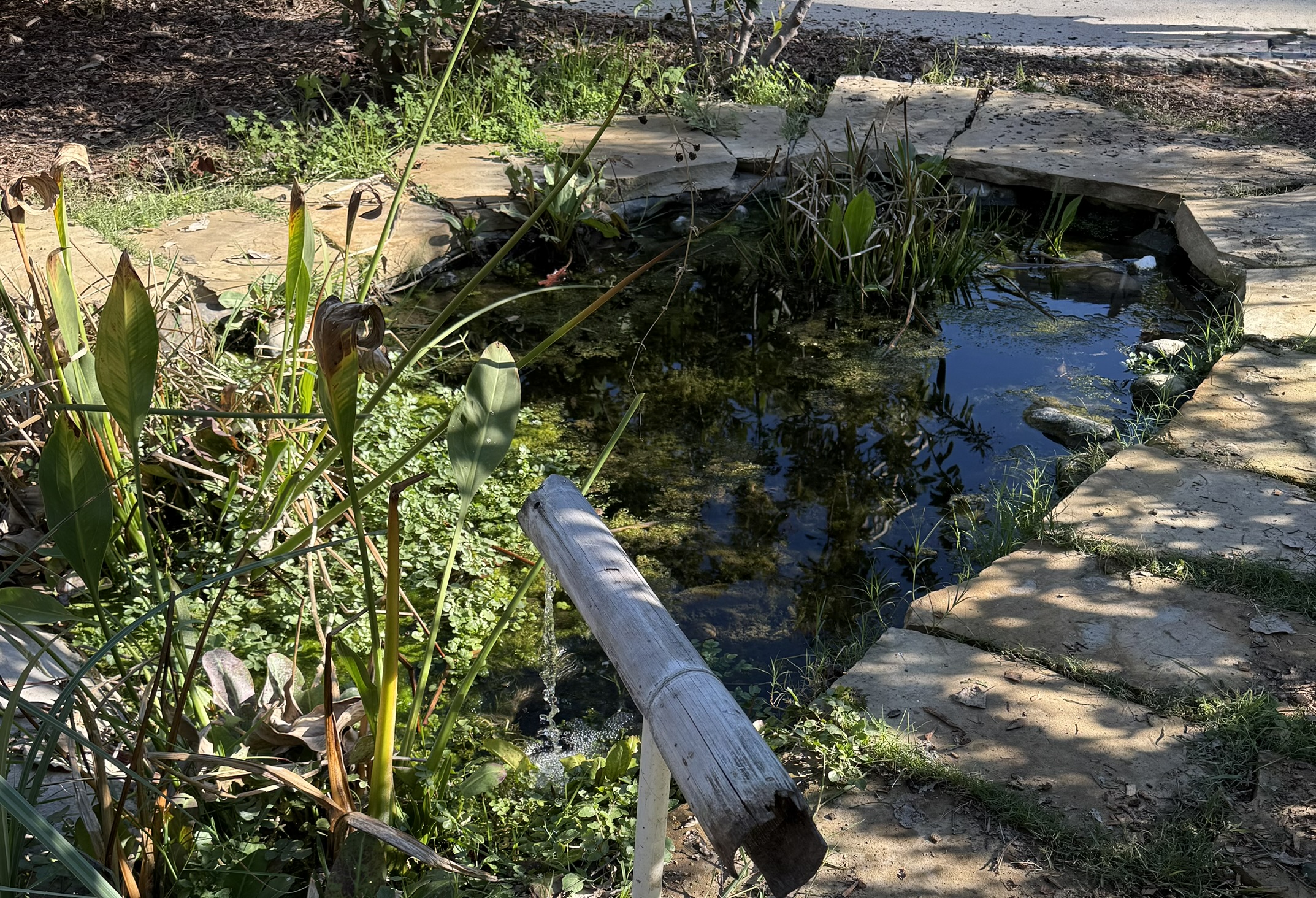
Sherry also introduced me to a local spot that I used to live right near in the coastal city of Santa Monica, but I didn’t know it existed! The place has a special charm of its own, and is pictured at the top of this post!
It’s the Kuruvungna Sacred Springs!
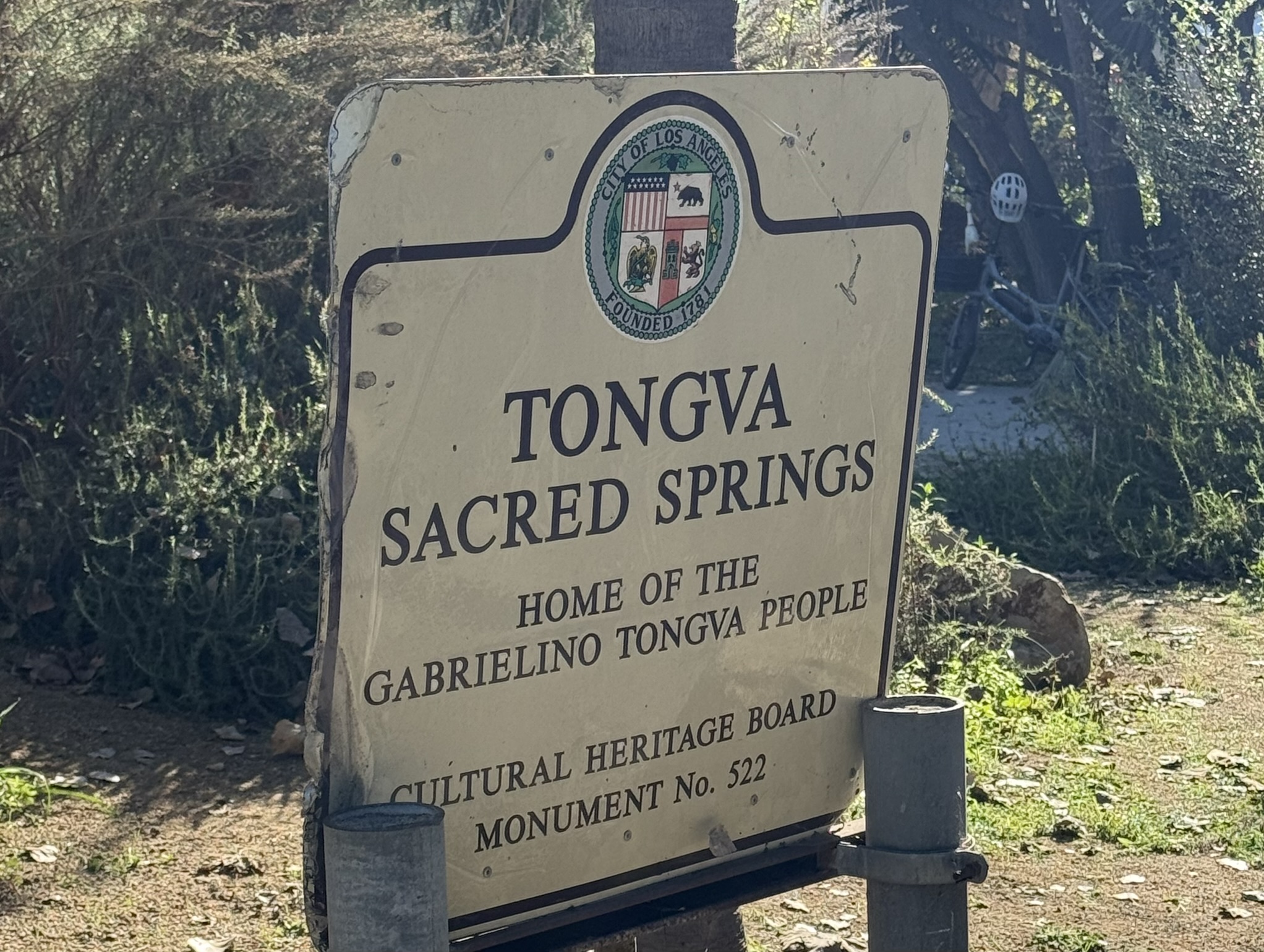
Called “a place where we are in the sun” in the language of the Tongva people who once flourished throughout the LA basin, these springs were the hub of a village where the waters are said to have been used since at least the 5th Century BCE. Throughout later centuries of Spanish exploration and mission building, up through settlement by westward-moving Americans – and even through the building all around it of a high school – the springs have survived and become a protected California Historical Landmark!
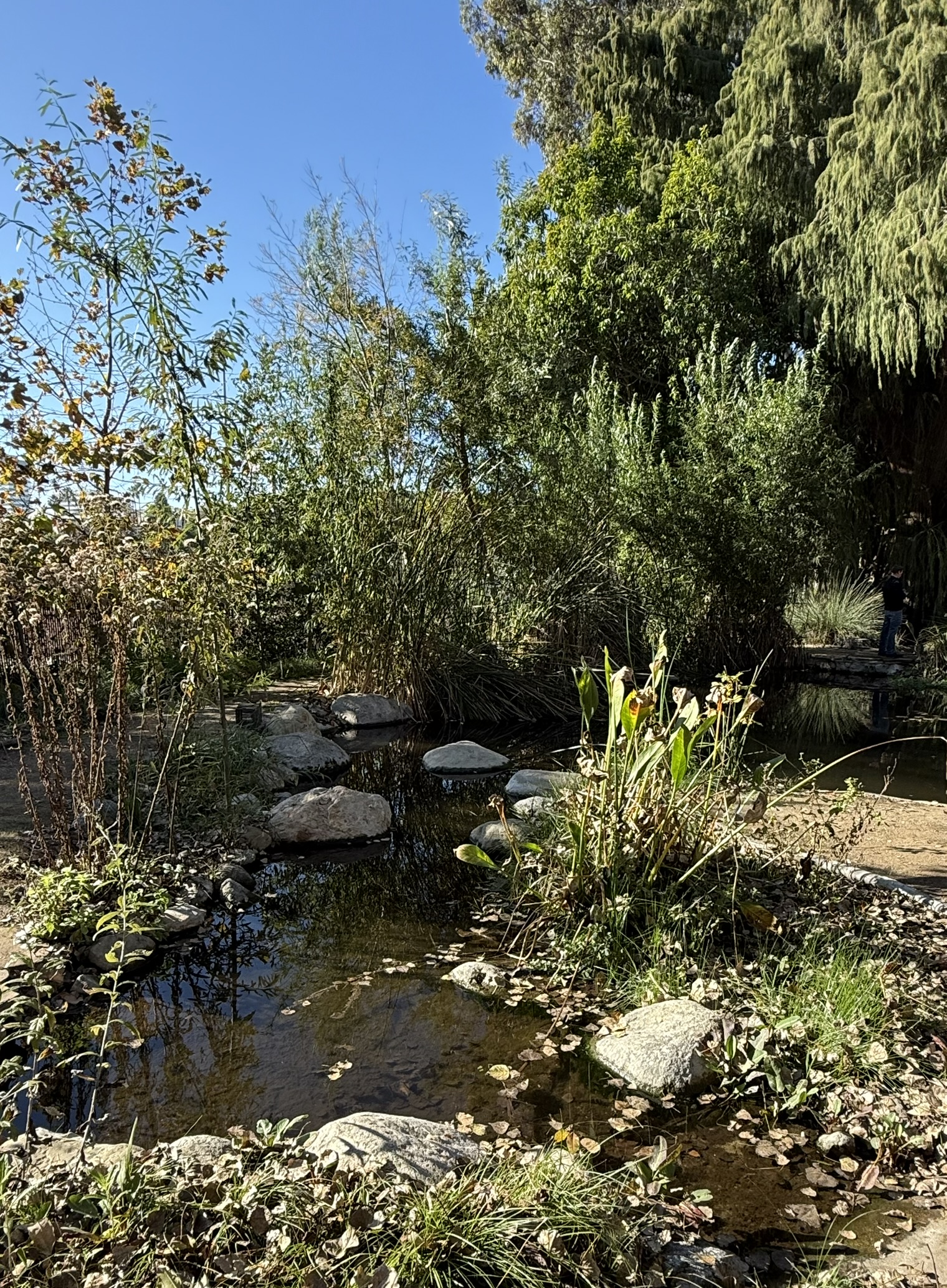
While not where I’d go for a massage, it does bring me a different sort of peace to know that in the midst of all kinds of urban chaos, change and challenge, these fresh springs still burble up purely and simply from the Earth’s depths, and that they’ve provided refreshment to so many!
Spending quiet time at Kuruvungna reminded me that, whether sparkling or still, sacred or holy, hot or cold – and with or without frills – water connects and sustains us in so many ways. And I sure hope examples like this one will always remain as proof.
Cheers!


What an interesting post and some great photos too.
Thank you so much for reading!
Out of all of those I’ve only been to Bath, but that city pretty much has everything and a Jane Austen museum!
Springs are intriguing features and that’s how rivers start.
Bath is beautiful! I haven’t been to the JA museum but would love to see it someday. And yes – amazing to think that huge rivers can come from such a small source!
I’ve been to Bath too. Springs are important, for health/tourism. So nice that you have a few near you too!
Yes, it was a real surprise to find out about some of these places right near me. And it does amaze me that Bath has been a health/tourist hub for such a long time! Thanks for reading!
What great finds, Lori. I’m fascinated with ruins, their history, and thoughts of those who wondered there.
Me too! Knowing that I’m following the footsteps – sometimes doing the very same things – as countless generations that came before is really special to me! Thanks for reading!
Thank you for taking us on a journey with you—loved the pictures and descriptions. What a treat!!
Thank you so much – and glad if you found the springs “refreshing”!
🙂 They were very “refreshing” 🙂
Interesting post…lots of cool pics and info. Thanks for sharing.
Thank YOU for checking it out!