
Spring-y greetings!
So on a recent, quick and altogether fantastic visit to Manhattan, my travel companions picked this restaurant called Keens Steakhouse for one of our nights out. Not knowing anything about it (and having high cholesterol…), I can’t say I was especially “keen” to go –
But the dinner turned out to be a highlight of the trip for me!
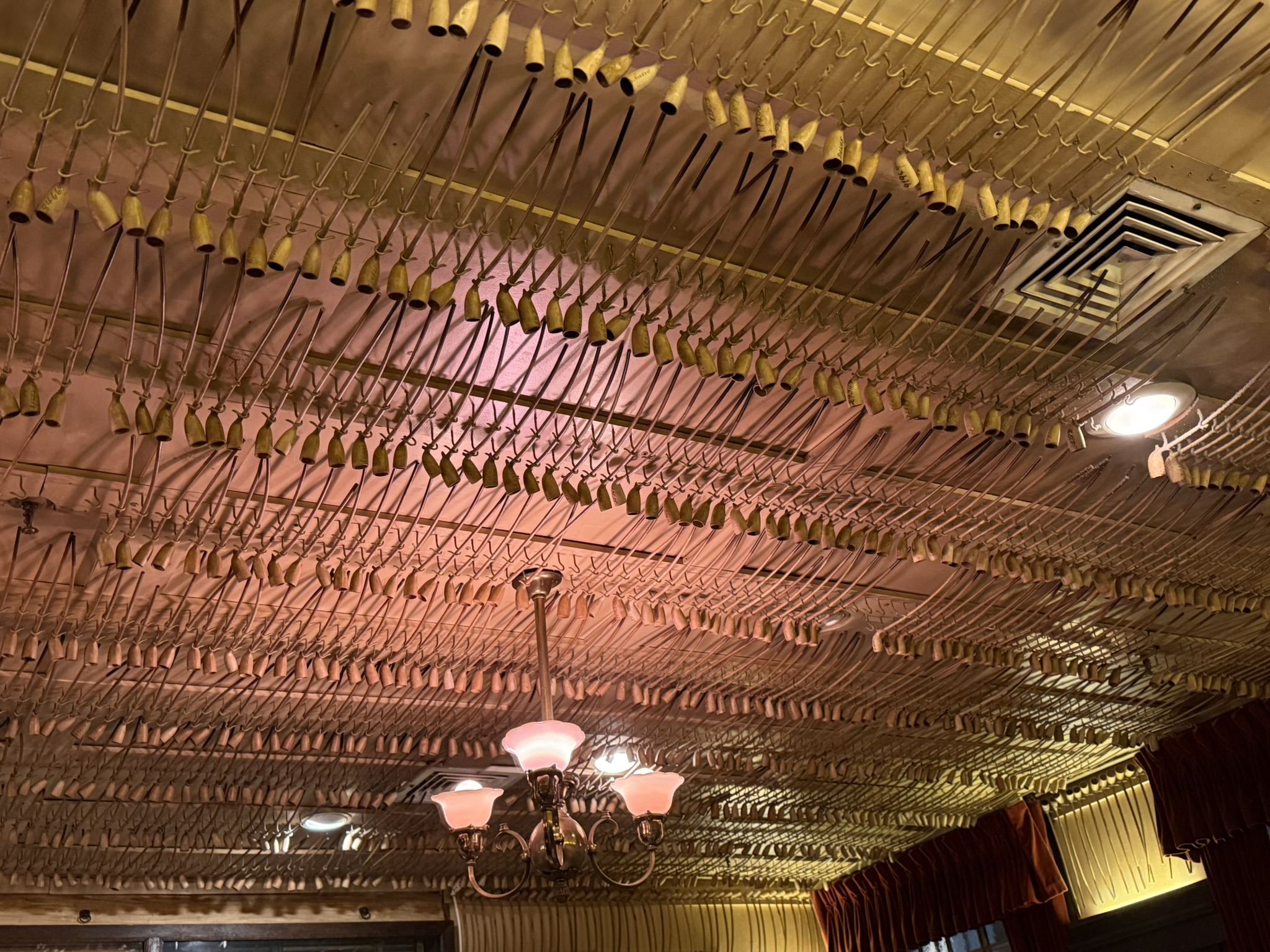
It was terrific in culinary terms (special shout-out to the creamed spinach), but also historically (the place became Keens in 1885 and has dodged the wrecking ball when so many other buildings from the time didn’t), and even decor-ally (I’d sure never dined under a ceiling covered in churchwarden smoking pipes before)! The experience satisfied my appetite in so many ways – and to share it all with great company was a real joy!
There’s much more I could gush about – except this post isn’t called “The Bit About How Anthony Bourdain Knew a Thing or Two”. For now, I’ll just nerdishly mention that with room after room there full of historical stuff, I was particularly impressed by a wall near the entrance. On it was Abraham Lincoln-related memorabilia, including a Ford’s Theatre playbill – and a hand-written draft of the Gettysburg Address!
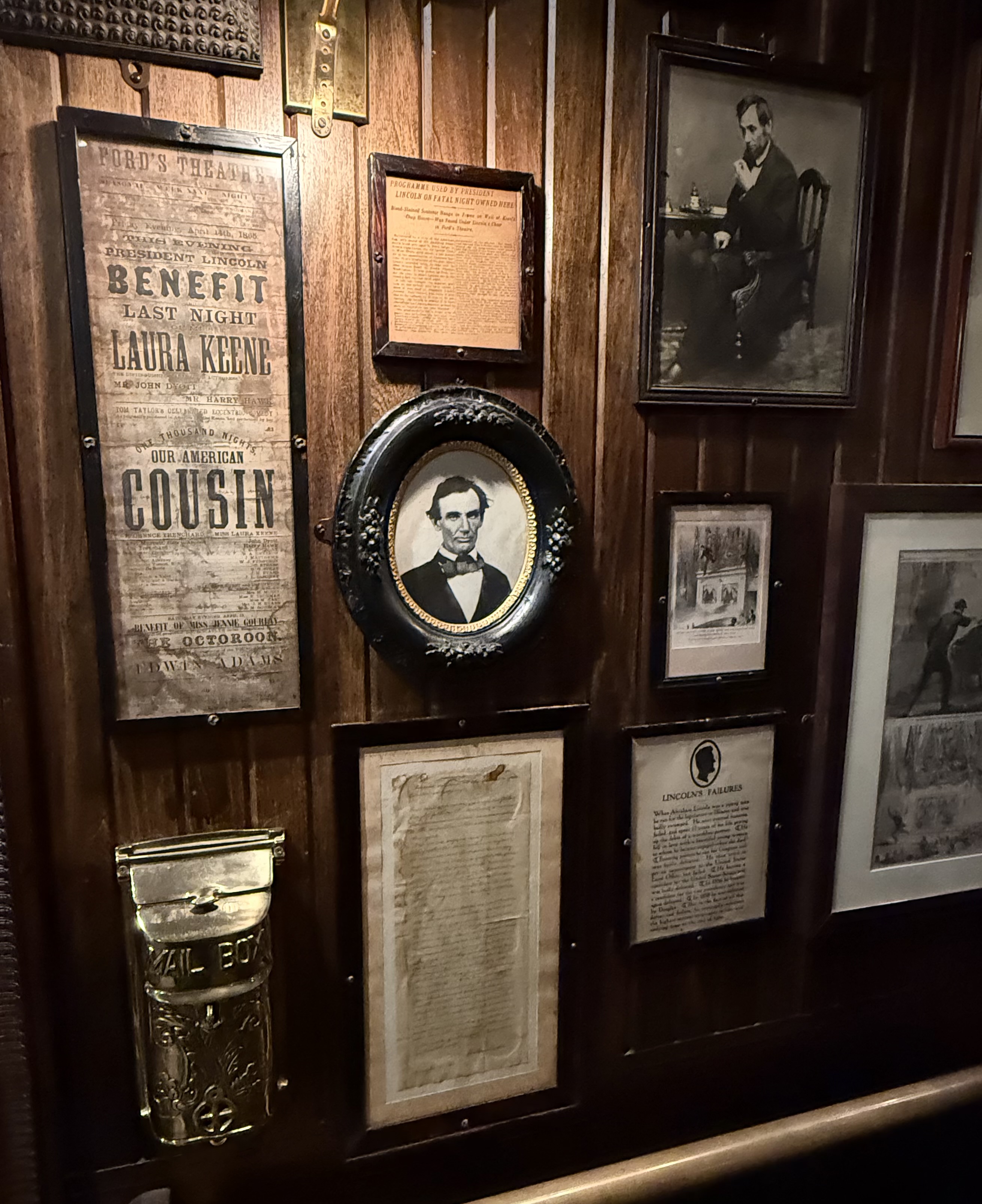
That item took me right back to last summer’s trip to Pennsylvania when I’d been thrilled to walk the grounds where Lincoln gave that famous speech! After a near lifetime of soaking up all the ways in which the Civil War battle there has been depicted, I finally visited Gettysburg National Military Park for the first time to let it all truly sink in!
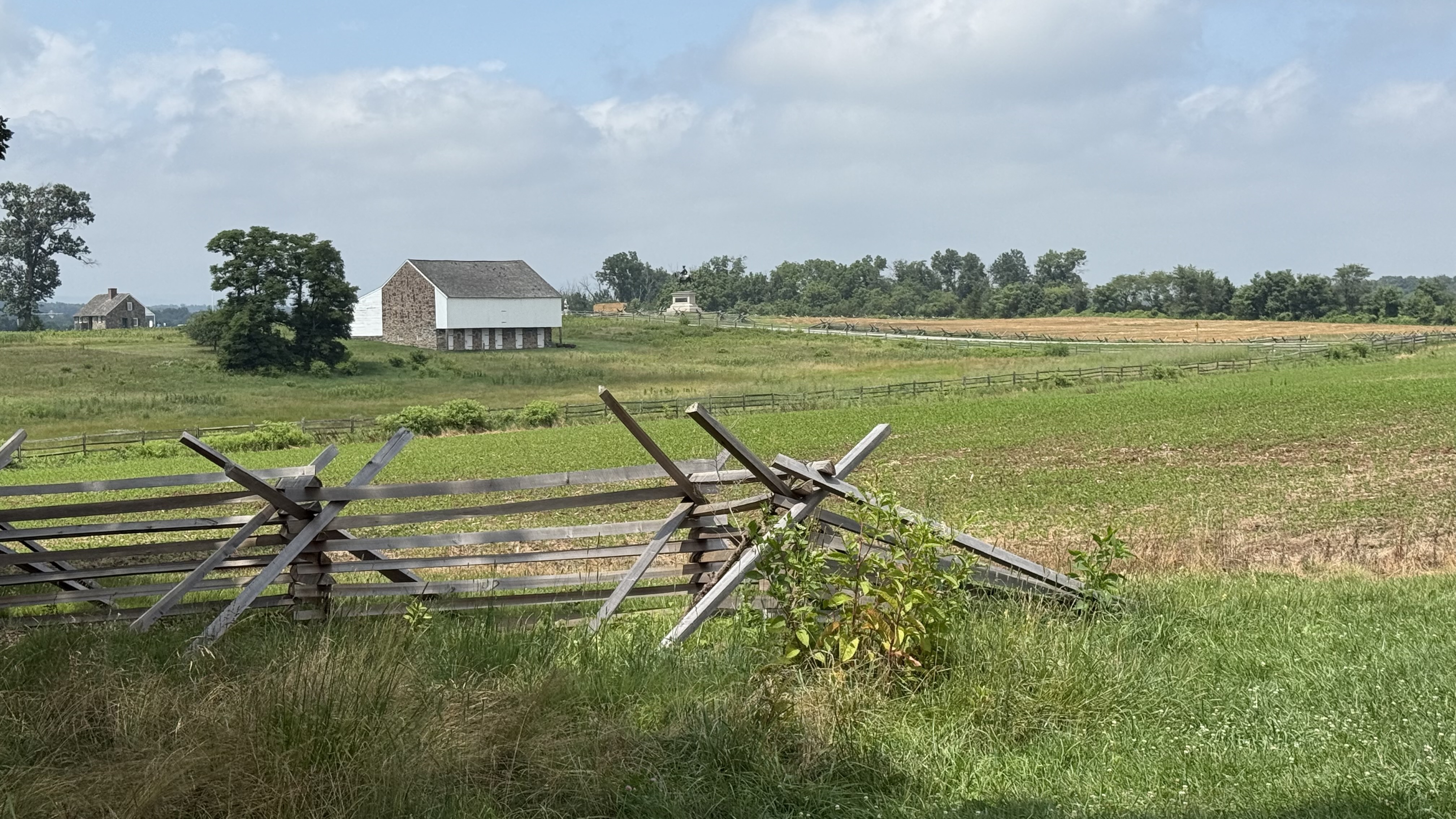
Gettysburg isn’t like some other National Parks I’ve been to with fenced boundaries that you enter through a single gate. There are important locations scattered throughout this expanse of rolling Pennsylvania hills where epic and tragic events unfolded over three days in 1863 – and there are lots of ways to connect with what happened there.
I decided to take a run at the task over two days – which turned out not to be enough. Even so, I think it may take two posts to share what I did manage to cover…
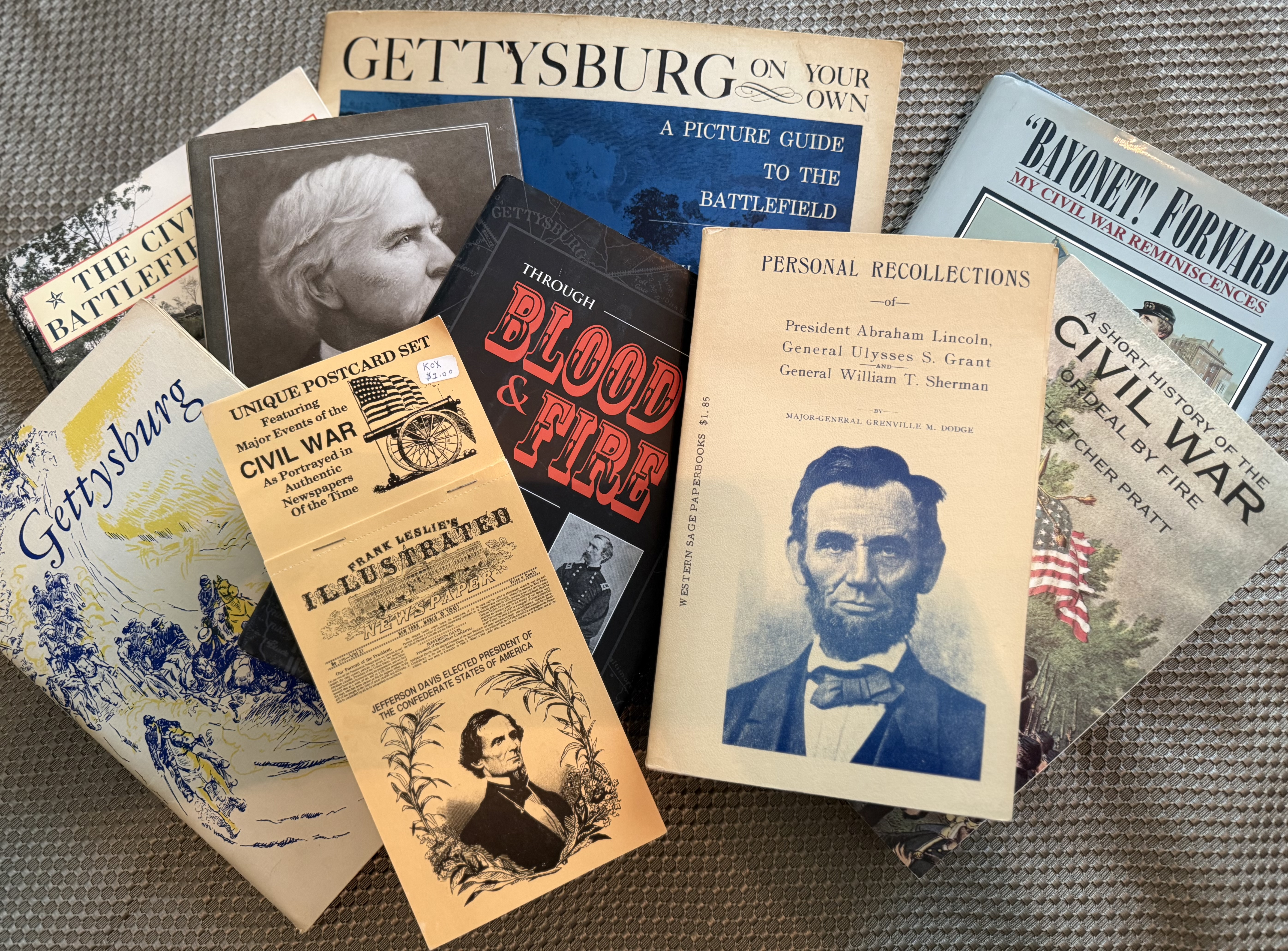
A reverence for the Civil War seems to have been inherited through both sides of my family. I remember watching Ken Burns’s brilliant 1990 documentary with the folks. My big brother Jack and I loved catching a theatrical release of the 1993 movie “Gettysburg” produced for the TNT Network. (I even ended up working at TNT!) In addition to my video-then-DVD-then-Blu-ray versions of those programs, I’ve inherited a fair amount of literature on the topic too:
Back in olden times, the family used to navigate such historic locales with a AAA book and as many brochures as we kids could grab – but now there’s the option of using that newfangled thing called the Internet! This visit was my first time making full use of the National Park Service’s app to find my way around (I can be slow with the technology stuff, but I get there eventually…). For each of 16 sites that you can cover at your own pace, there’s reading, audio and video to give people of just about any informational taste an understanding of what they’re seeing!
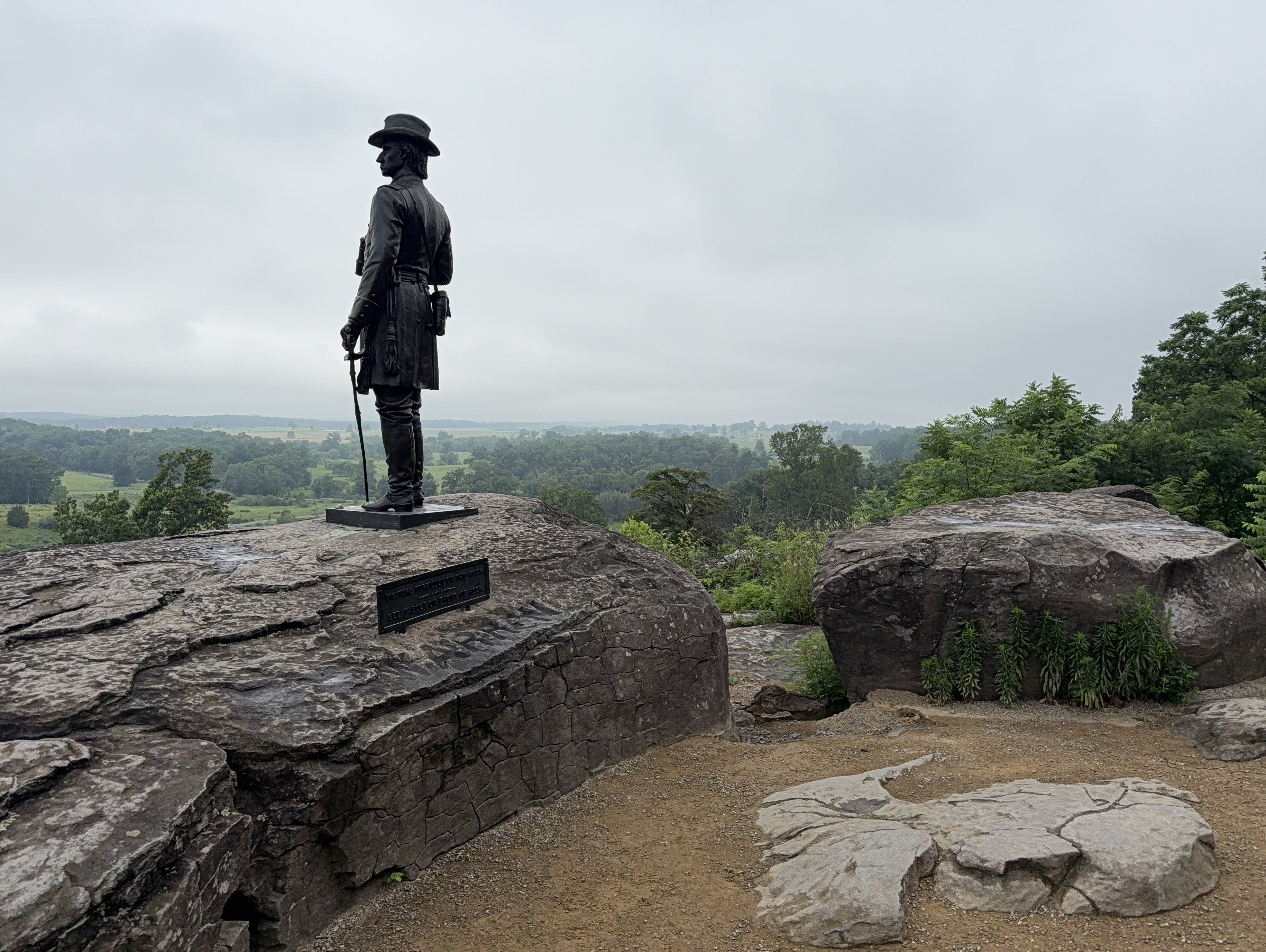
The app also offers a calendar of the more traditional ways to get the most out of the Park – like meeting up for a Park Ranger guided tour! I decided to take this route to begin my Gettysburg pilgrimage, catching a talk at the site known as Little Round Top:
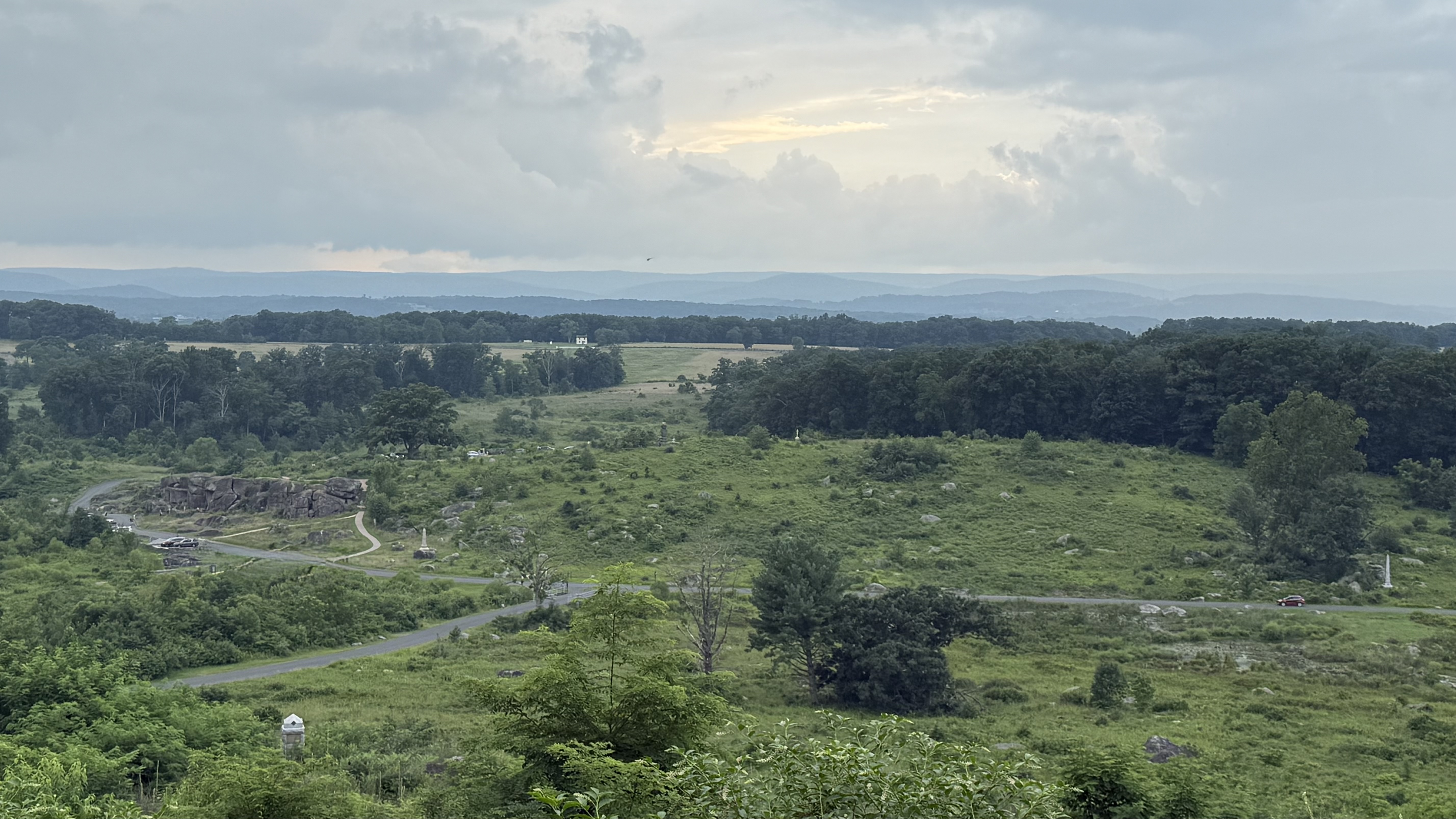
This was part of a ridge where on the second day of fighting, a Union Chief of Engineers named General G.K. Warren recognized the vulnerability of the position and arranged for it to be fortified and defended in the nick time. It seemed like most of us at the talk had some preconceived notions about who the Union heroes of Little Round Top had been. (When I asked the tourist next to me who she thought the biggest hero was, she simply responded “Bayonets!!!” – IYKYK.) But our guide patiently and knowledgeably encouraged us to consider others who played roles in the crucial preservation of that end of the Union line. She wanted us to recognize that throughout those three fateful days, it took the efforts of many courageous men – both well known and less so – to write the battle’s story.
So with Little Round Top thus secured, I drove back down the hill to explore other battlegrounds. I knew many of the places’ names and even some details – but standing amid their solemn beauty (often accompanied by a somehow fitting insect serenade), I wasn’t always prepared for the impact they’d have…
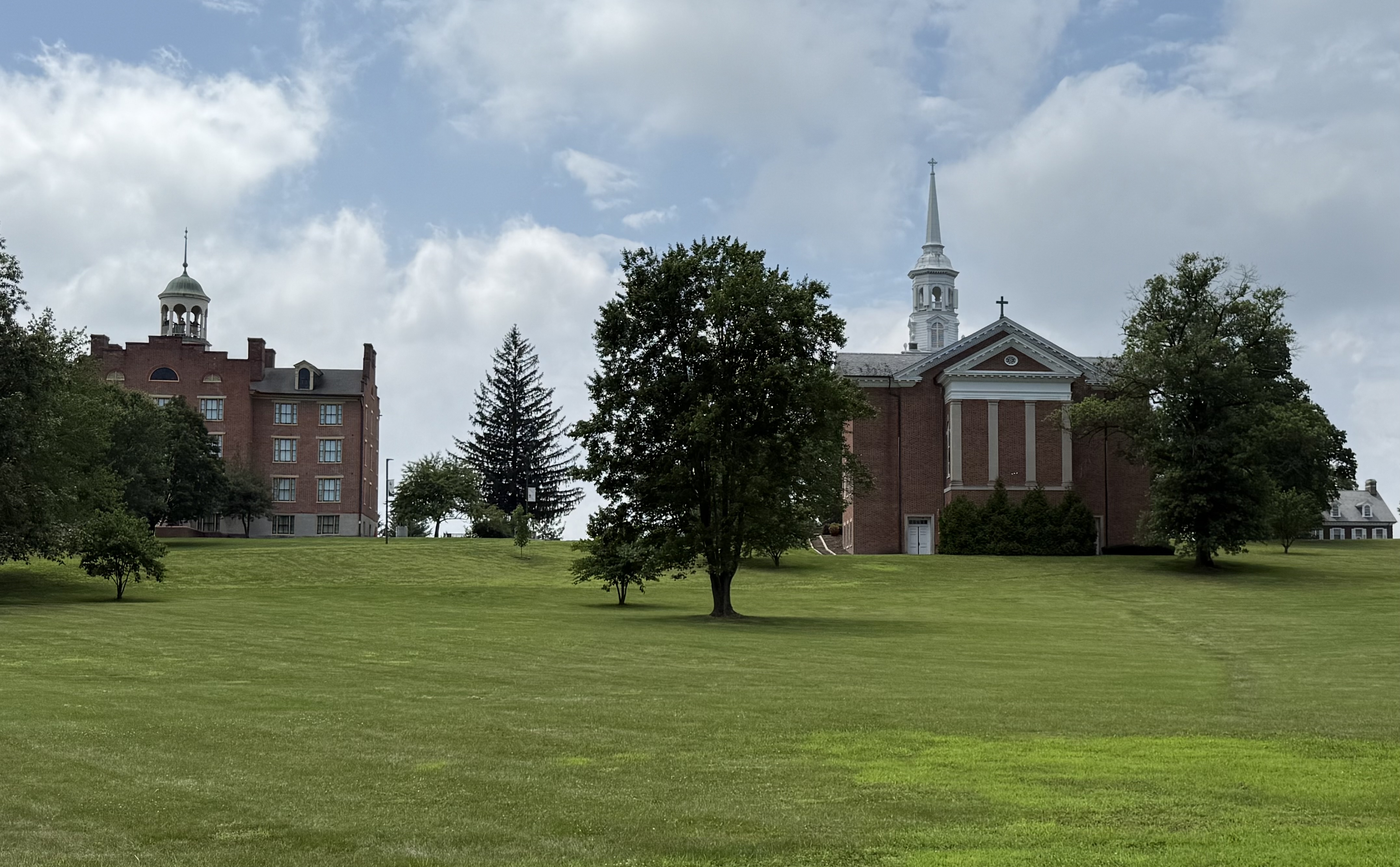
There were the buildings of the Lutheran Theological Seminary, with a cupola that served as an observation tower during the fighting.
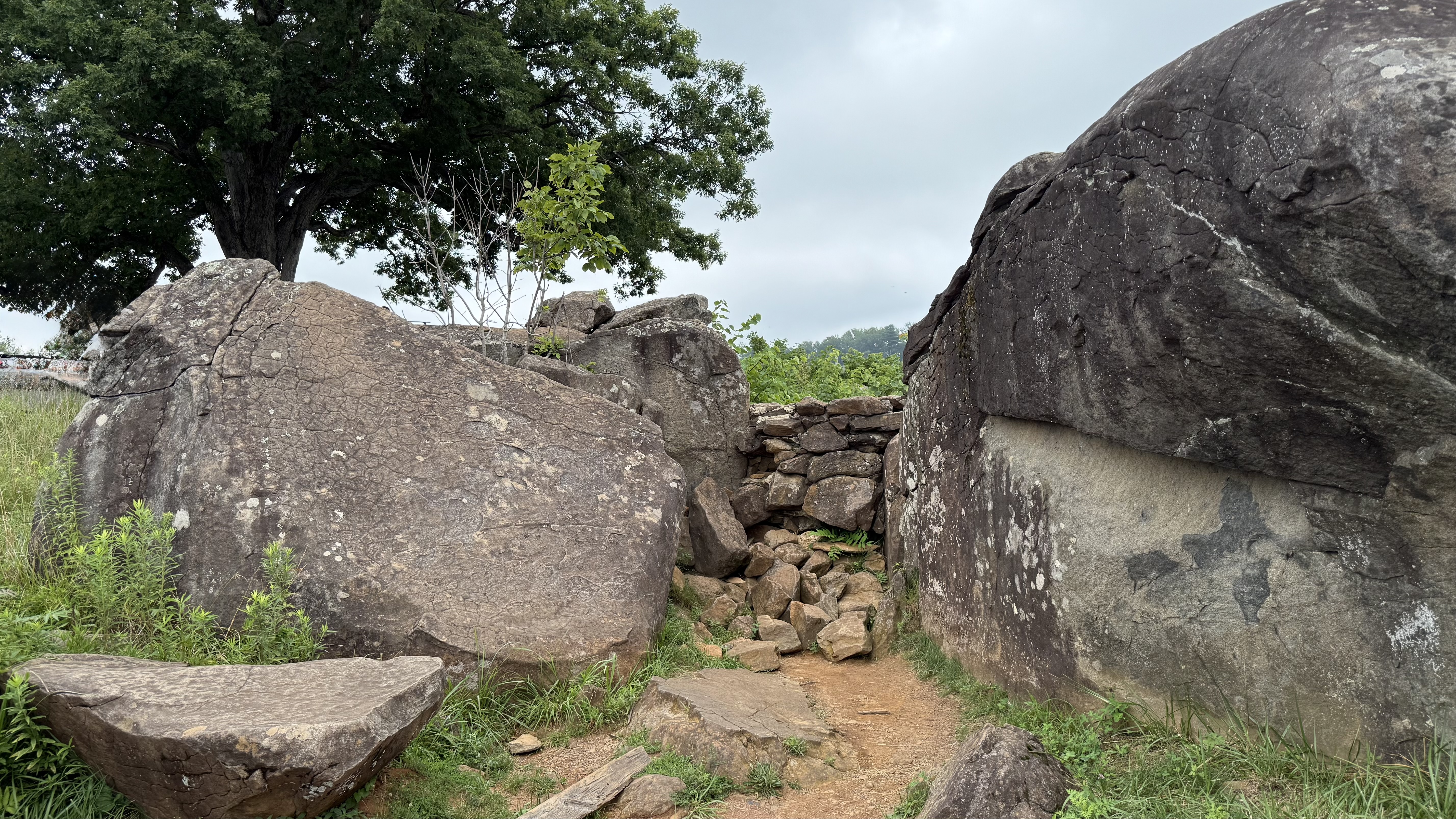
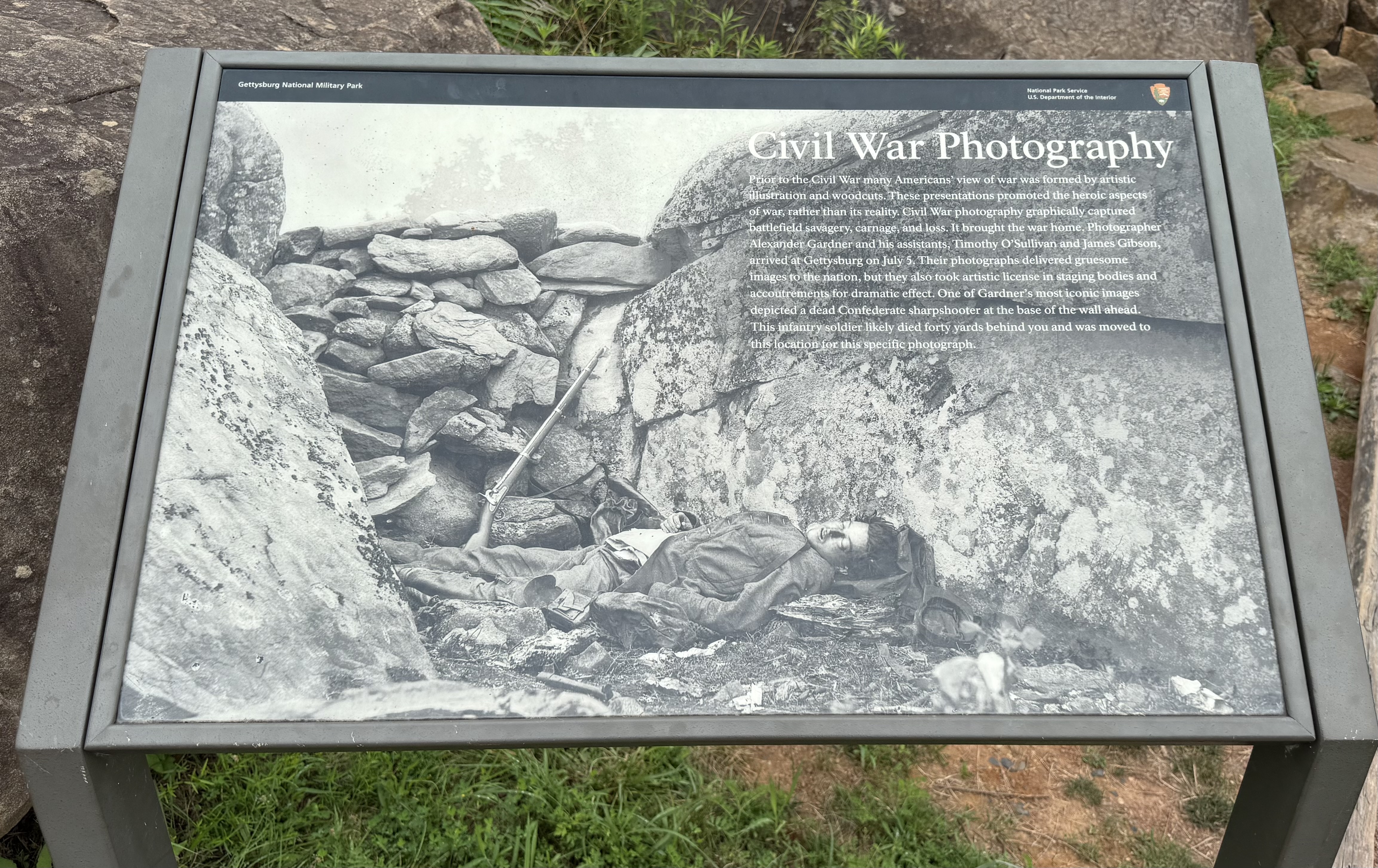
There was the rocky Devil’s Den where Confederate soldiers sustained huge casualties while forcing a Union retreat. And almost immediately after, the Gettysburg story began to have grisly photographs to include in its pages…
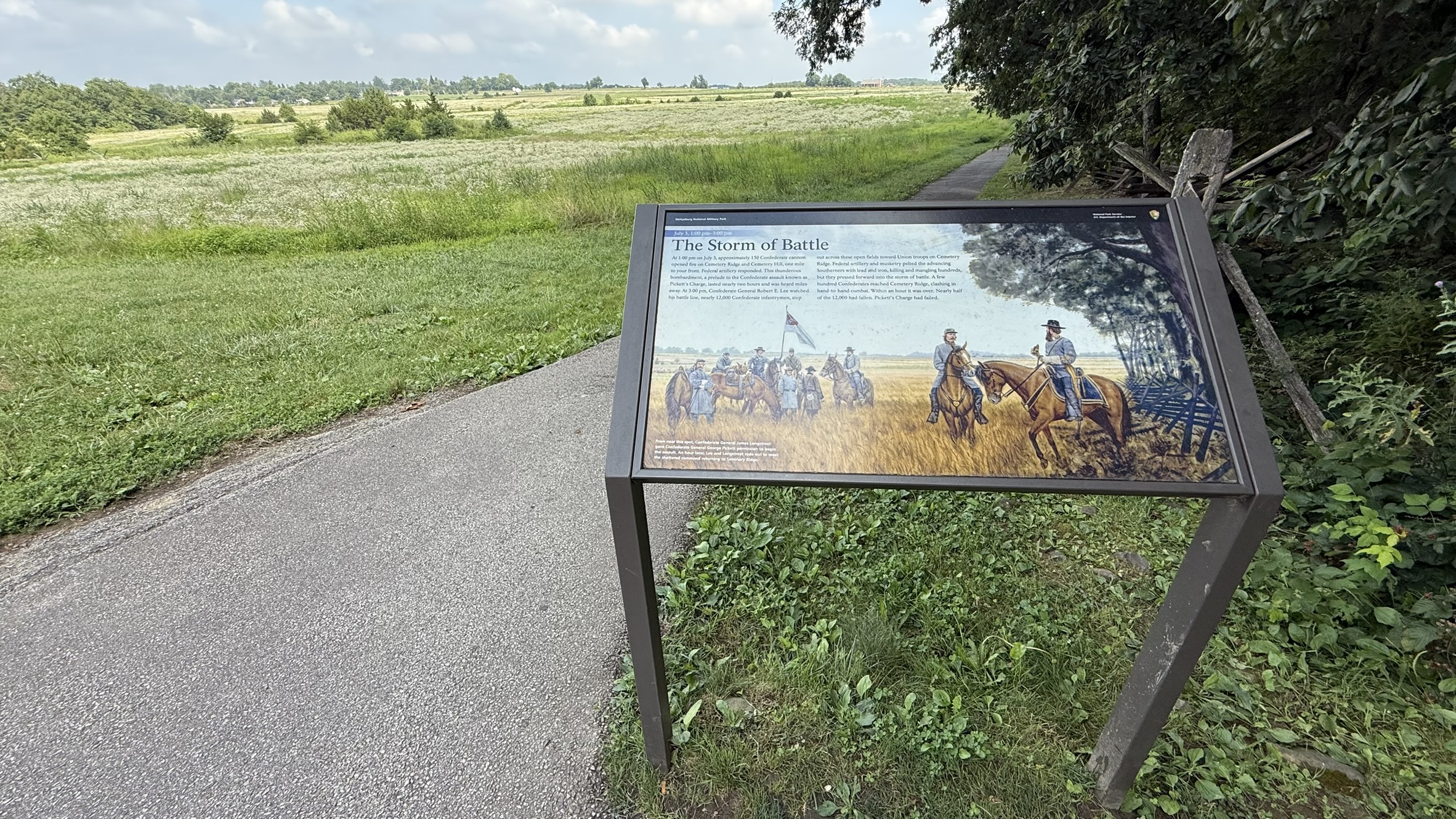
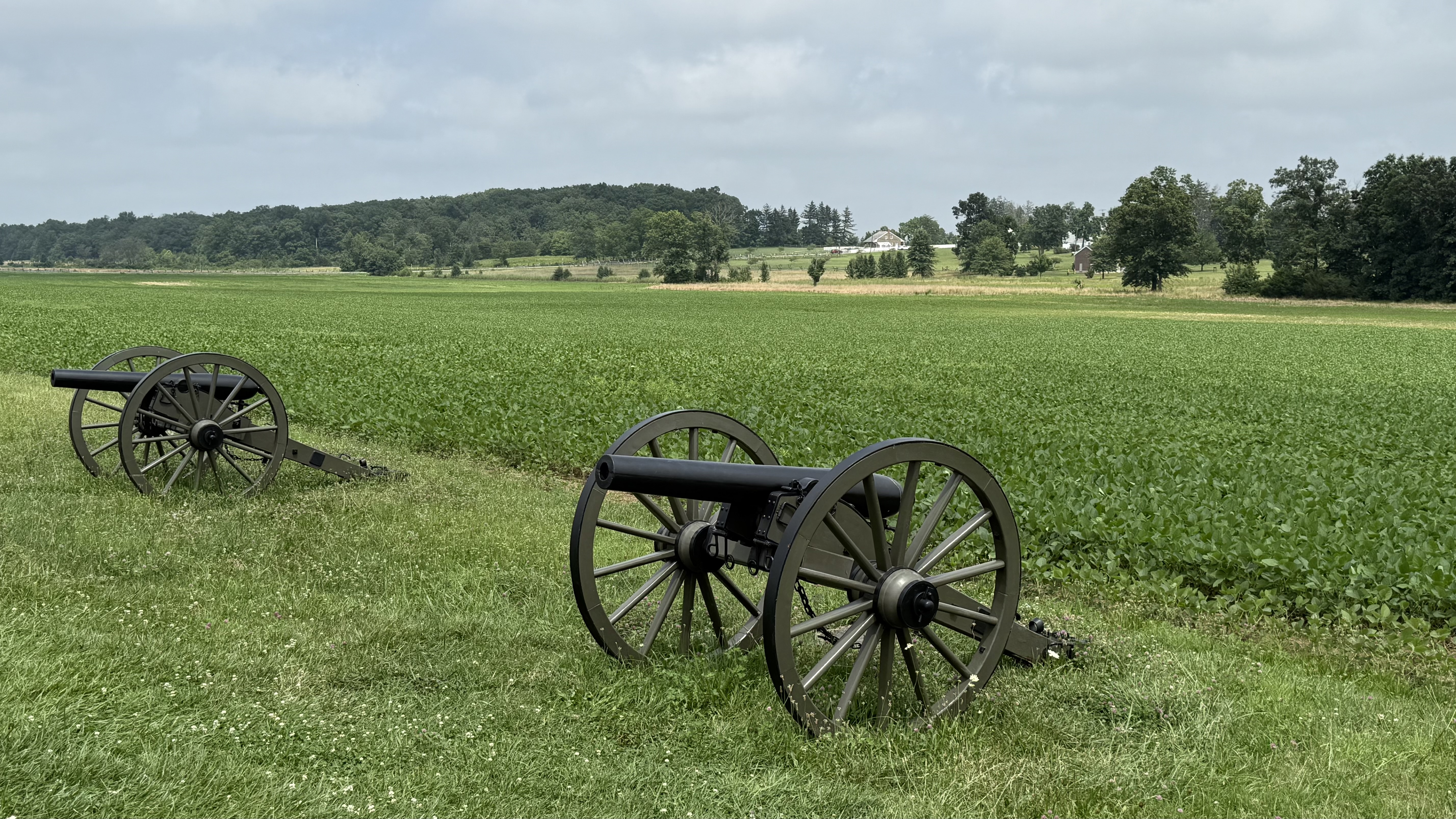
And there was the site of Pickett’s Charge. This was the disastrous Confederate march across open ground that ended in a repulsed assault of Union lines on Cemetery Ridge. The spot would prove to be the “high water mark” of General Robert E. Lee’s attempt to take the fight into the North. Although the Confederates wouldn’t get any deeper, fighting would continue into 1865.
The battlefield is now populated by statues and monuments of every size and shape honoring states, regiments, and individuals who fought:
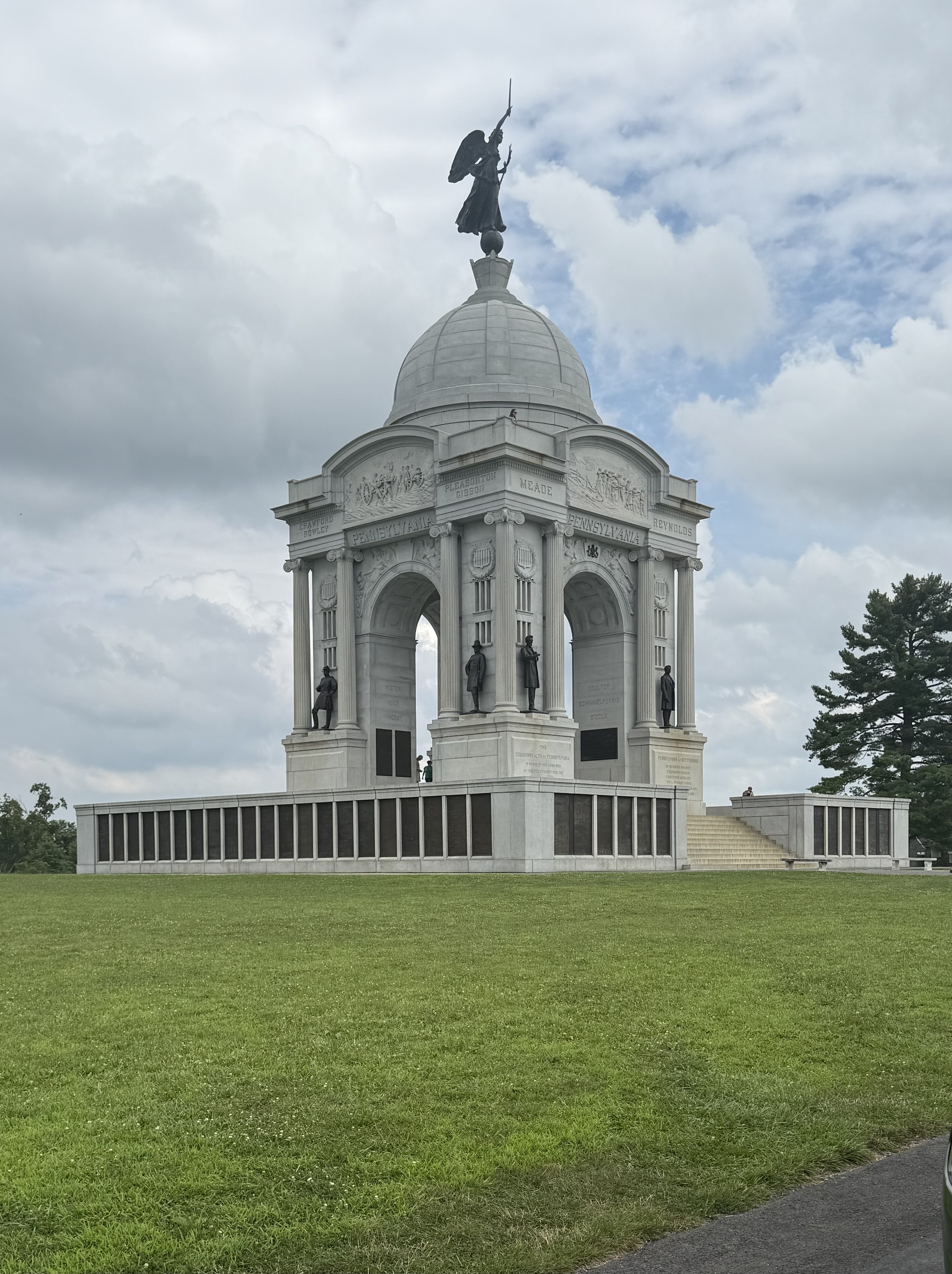
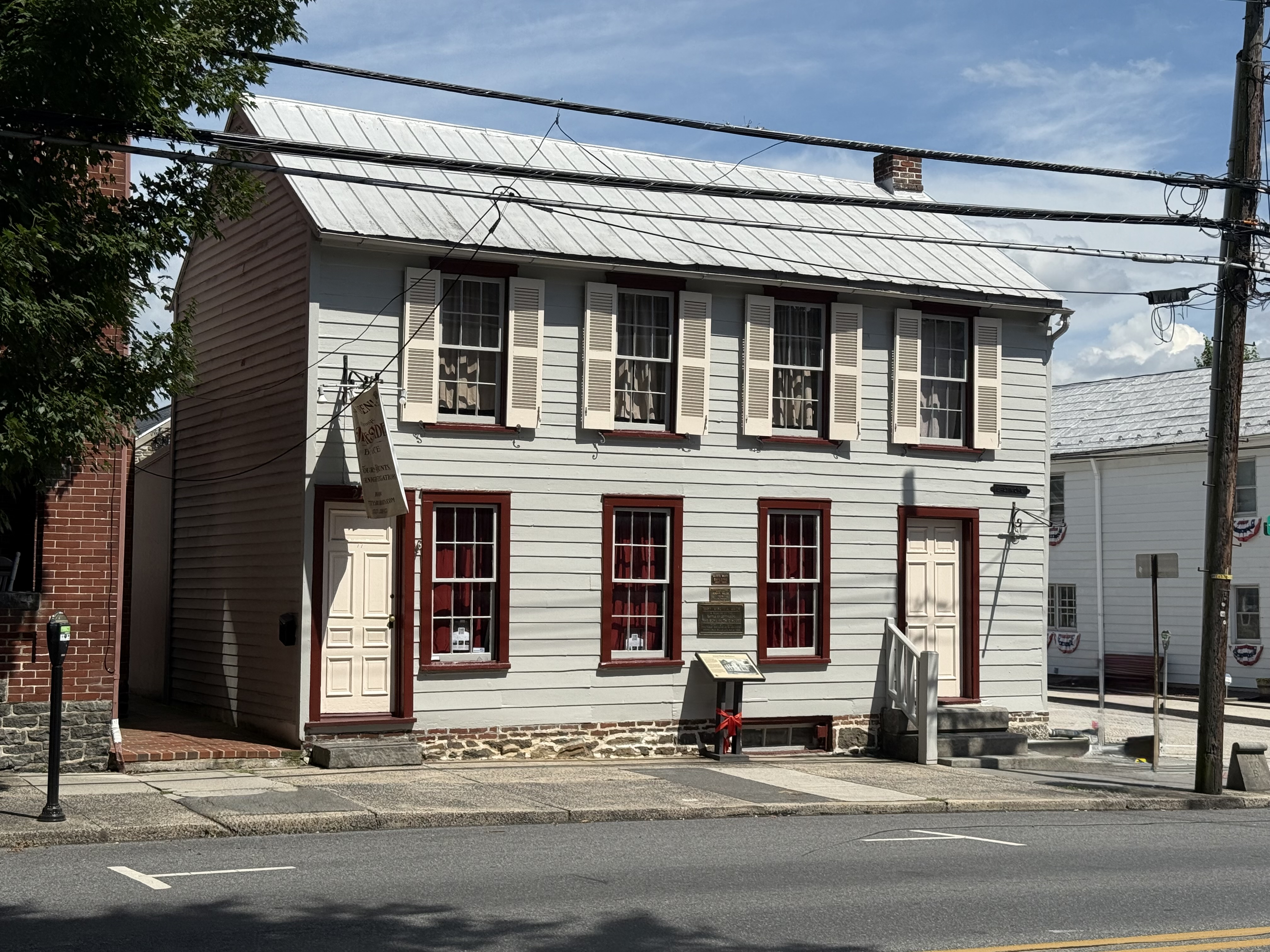
Beyond the more than 50,000 combined military casualties at Gettysburg, there was also a single civilian death in the rural town that found itself the unexpected focal point of battle – and I made some time to check out the town of Gettysburg to learn how it was touched by the war. Since there are internet info sites as well as lots of great signage to help identify things, I confidently took off with my phone in one hand (and a swiftly melting ice cream cone in the other), and headed down Baltimore Street. A number of buildings seemed almost to have been frozen in that time when shocked townsfolk had to flee or hide, where wounded soldiers were treated, and where that one civilian casualty, young Jennie Wade, had been born.
I don’t imagine touring a battlefield is everyone’s idea of a good time. But as I was reminded over my dinner at Keens, and as Lincoln would say in his address only a matter of months after the battle’s end: “(the world)…can never forget what they did here.” That was a great man who surely knew a thing or two…
Okay, so it looks like I will indeed have to make this a two-parter. I mean, I haven’t even gotten us to the Visitors Center where, among other things, I waged my own battle not to buy any souvenirs! (And, um – I lost.) I’d love to share some of the rest of what the Park offers to help history pilgrims get a feel for the Battle of Gettysburg – including one feature that added an even more personal perspective for me.
Until then, take care, keep your powder dry – oh, and cheers, of course!
 TESSEROLOGY
Great post, Amy. Iconic site. We visited Gettysburg in 2019, and then went on to Appomattox Court House later in the same trip. This is my post about that trip:
Bringing a bloody conflict to an end | A balanced diet . . .