

Man, life can be strange.
A few days into the New Year, I was out picnicking and catching up with my niece in a green, sun-dappled Burbank park, when she mentioned the fire that just destroyed a historic home we’d visited in Northern California. Always out for blog ideas, it got me meditating about historic places I’d seen over the years that ended up being lost to fire –
Next thing I knew, I was in the midst of a tightening noose of blazes that took hold in one nearby LA city after another…
In my case, that harrowing noose didn’t tighten all the way (although I’m nervous to put it in the past tense…), while whole other SoCal communities were reduced to ruins. As fires unrelentingly continued to break out, I sure thought of shelving the subject of fire for a time. But since it’s still hard for me to focus on much else, I’ve decided respectfully to keep to the plan and apply my usual nattering to the topic, while my heart stays with those who didn’t come through these weeks as fortunately as I. Here goes.
So the building I’d seen with my niece and her family that apparently fell victim to arson was the charming old house at Bidwell Mansion State Historic Park in Chico. I really only knew of John Bidwell as a guy who came west before the Gold Rush and then jumped right in naming stuff (like the city of Chico and nearby Bidwell’s Bar) – so I enjoyed learning more about this pioneer of my home state who sought and pretty clearly made his fortune here.
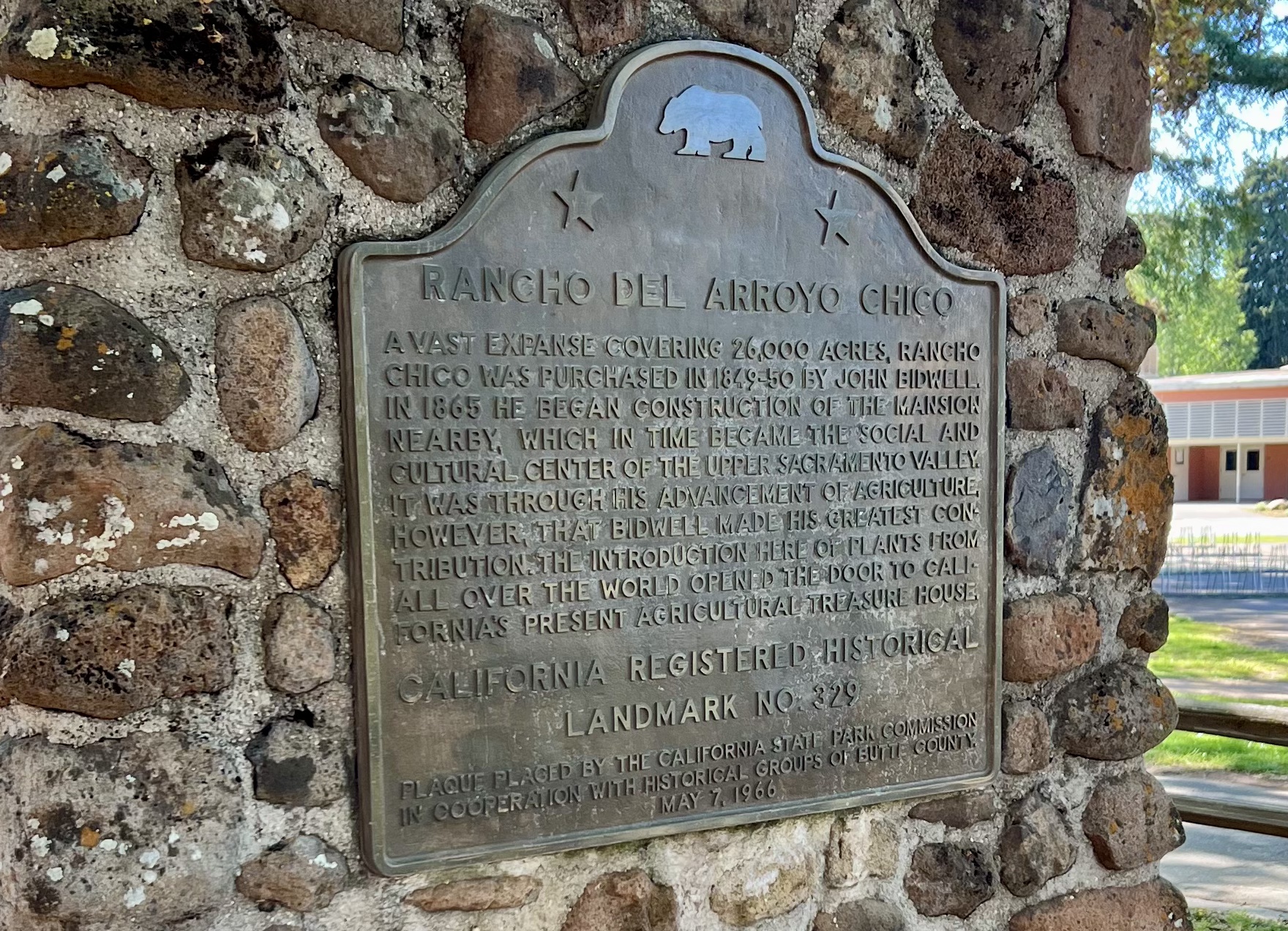
This gingerbread-y building which had been standing since 1868 was gutted by the fire, and only the outer walls and tower are left – community discussions are taking place to determine what should and can be done to restore or reconstruct the mansion.
A few weeks ago (and more abstractly, at the time), I started considering the differences between approaches like “restoring” and “reconstructing”, and the meaning of “replacement” and “replica” when it came to the vibe of historic sites like Bidwell Mansion. This actually brought up dear memories of another piece of early US history that I’d seen twice before it succumbed to fire:
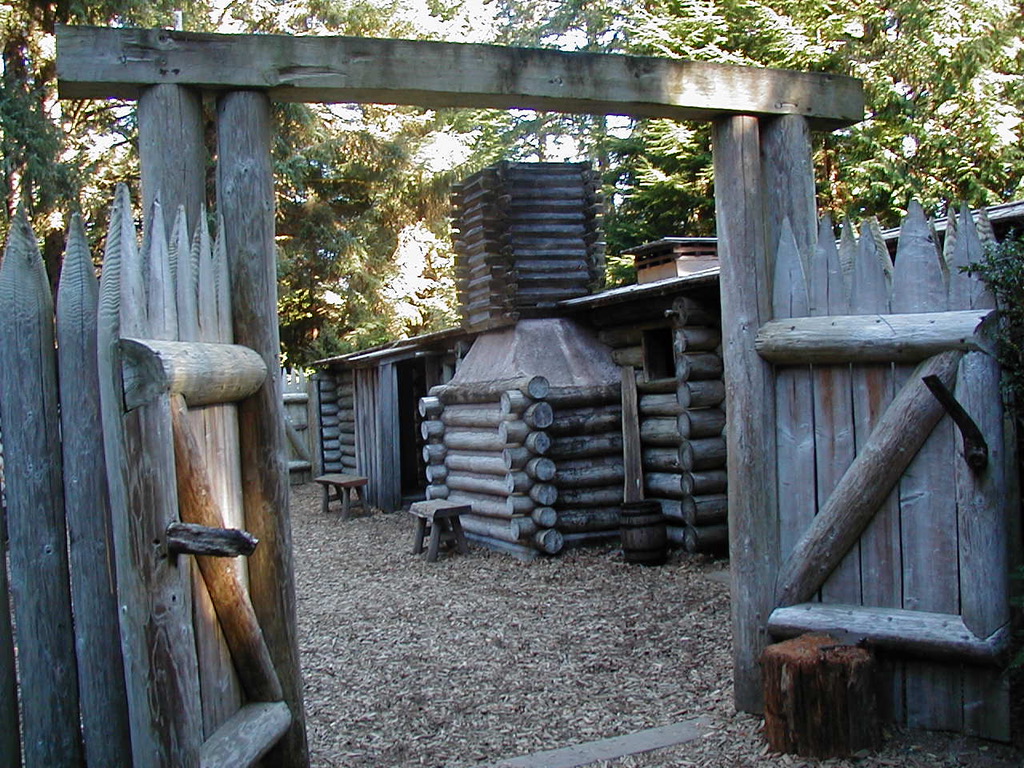
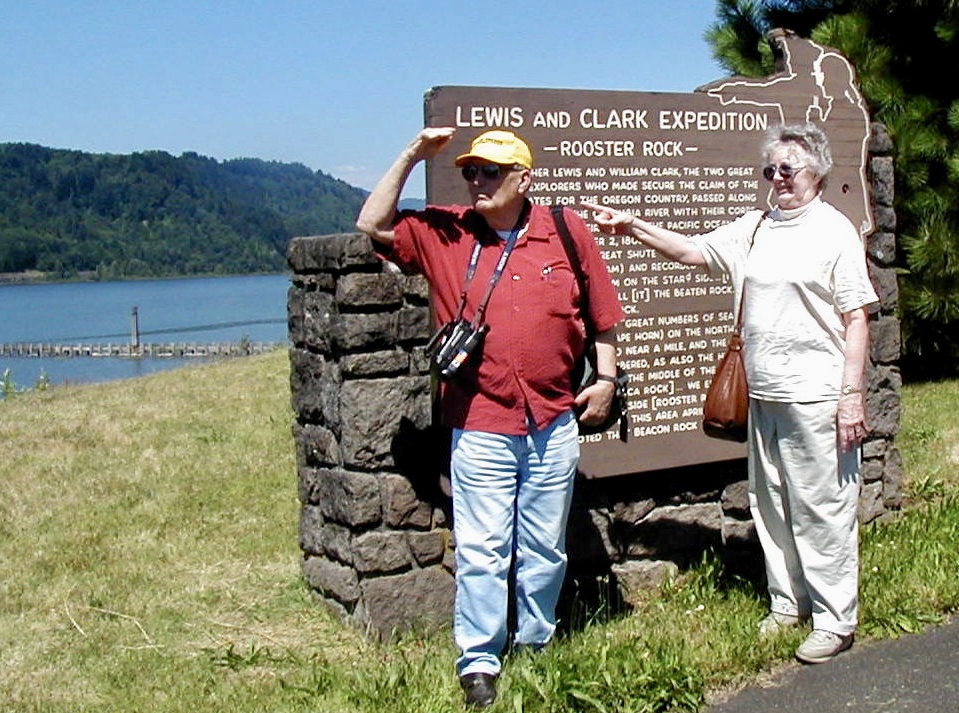
One of the Lewis and Clark National and State Historic Parks, Fort Clatsop sits near Astoria in a spot about as far west and north as you can get in the state of Oregon, right near the mouth of the Columbia River. My first visit was with the family when I was about first grade age, and it was mainly spent trying to commit the Native American derived name to memory so I could give a “What I Did on My Summer Vacation” presentation about it to my class. While so many other of my memories have faded, I do recall that I opted to focus this particular lecture more on the brewery we visited in Washington on that trip – which must have made my folks quite proud…
I’d later come to understand that Fort Clatsop was the winter camp of the Lewis and Clark Expedition in 1805-06. President Jefferson, after engineering the Louisiana Purchase, had commissioned Meriwether Lewis and William Clark to form the Corps of Discovery and go find out what he’d actually bought.
While the original fort quickly decayed, a sketch of Clark’s was used as the basis for a reconstruction in 1955. This would have been the one I saw as a little girl, as well as on another visit I made decades later with the folks. (Explorers like Lewis and Clark are real heroes to me – and to Mum and Dad who even followed the Expedition’s trail in reverse one summer! But I’m gonna resist the urge to launch into a big L&C digression here.)
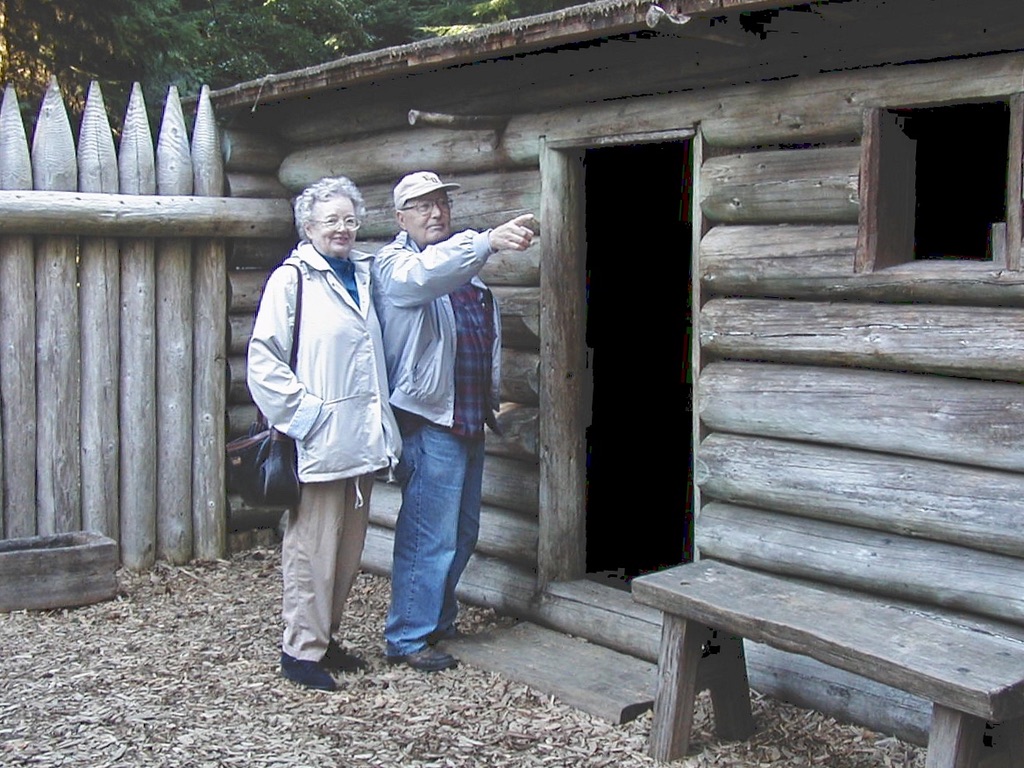
Unfortunately, this fort burned down in 2005 – but pretty quickly, the Parks opted to build another replica. While I haven’t seen the newest Fort Clatsop, it pleases me just to know it’s there like a time machine that I can step into and travel back over a couple centuries!
Being a big history nerd, I’ve loved to imagine the meeting that took place to choose that wintering spot. Lewis and Clark (Lewis alone, actually) could have issued orders as to where to build, but they instead let each member of the now seasoned and interdependent Corps cast a vote on the matter. This means that here in the West – long before nationwide laws would catch up – an African American slave (York) got to vote, and a Native American woman (Sacagawea) got to vote as well. That pleases me too.
(Okay, so I lied on the digression thing…)
A structure that manages to stick around for two hundred years is pretty impressive. But I’ve been privileged to get a look at even longer enduring edifices – including one that also faced destruction, but quite recently rose from the ashes:

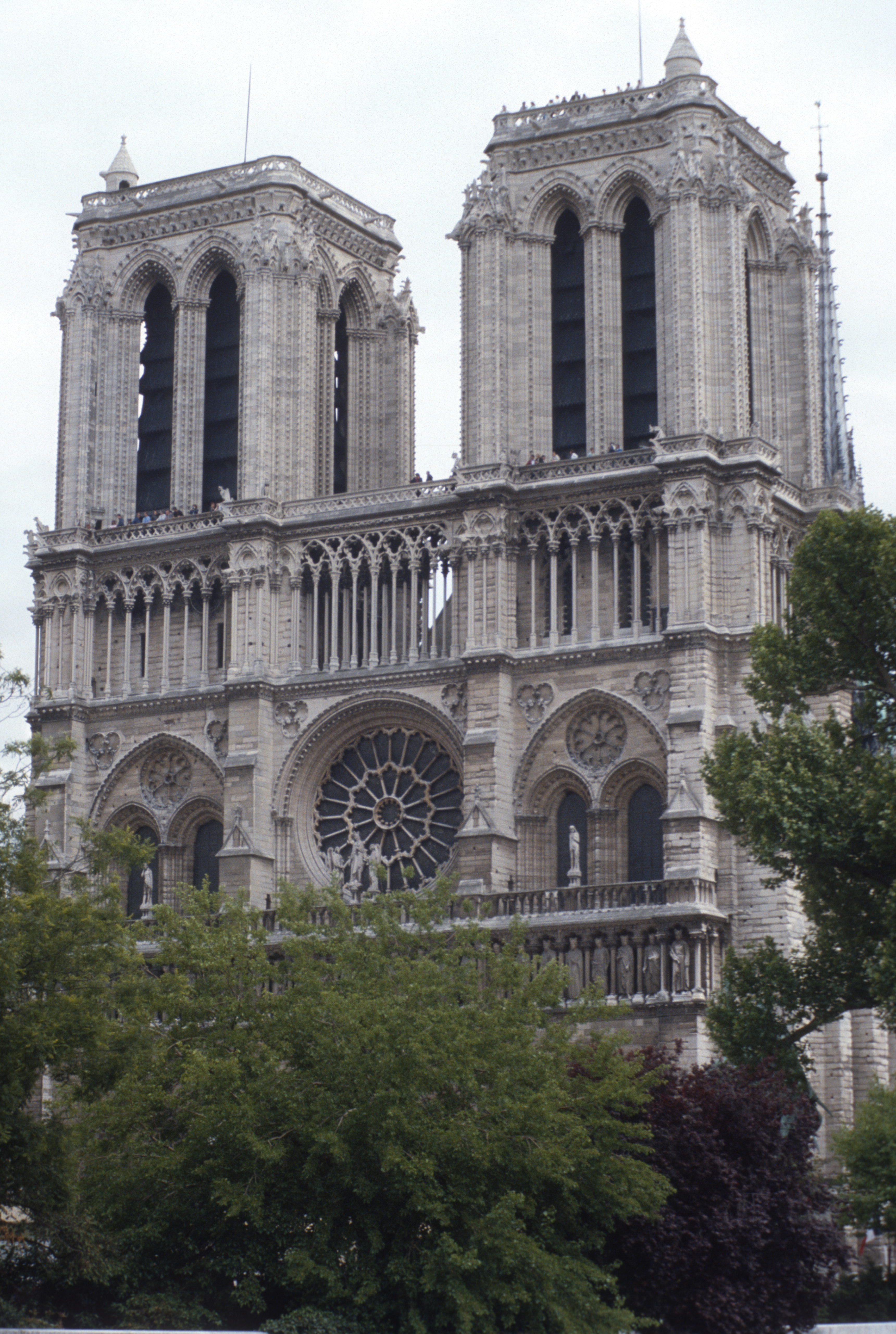
On a backpack tour of Europe in 1985, I was so fortunate to get to wander the streets of Paris on Bastille Day, and spend some awed and reverent moments gazing upward inside the Cathedral of Notre-Dame! Its construction was begun back in the 12th century, and this religious and architectural wonder was still going strong as a witness to 19th century events like Napoleon’s coronation, and to 20th century ones like my own visit which, while not an event calling for pomp or circumstance, sure left an enduring impression on me!
Then in 2019, to the shock of the whole world it seemed, the Cathedral caught fire. Its walls were damaged, and most of the roof with its iconic spire was destroyed – but because of heroic efforts to defend it, the loss was not a total one.
In the years that followed, the Cathedral was painstakingly and lovingly restored. And because of a dedication to retaining its authenticity, there’s been renewed interest in classic trades like stone carving, carpentry and roofing – they’re calling this the “Notre-Dame Effect”. Through the effort of thousands of craftspeople, Notre-Dame reopened at the end of last year – the degradation of dirt and pollution cleaned away, and now apparently closer in some respects to its original state. The roof and the spire are rebuilt and in place, and its bells ring out again!
It wasn’t nearly as old, but I was saddened to learn that the ranch house of folksy humorist and film star Will Rogers (along with other buildings at Will Rogers State Historic Park) was just consumed by the Palisades fire. I wandered that house and grounds years ago, and I used to enjoy hiking in the area.
I’ve been gabbing as I’d planned to about loss in the context of historical places. But so many of the stories coming out of the LA area in recent days are of more personal loss: of longtime family homes; of generations’ worth of treasured mementos; and of lives. Tragic tales, all…
My hope for the people whose homes and belongings were lost, both in these LA fires and in any such disaster, is that the memory of some of the things they enjoyed before will endure and ultimately prove a comfort. I hope too that they’ll each be able to restore or rebuild a precious home, whether just as it had been or perhaps even better – one that will engender memories anew.
My heart will remain with them on that journey to come.

 TESSEROLOGY
I did not know that the Bidwee mansion in London Chico burnt down. Right near my alma mater. Glad you are safe from the fires down there in LA!
Not London! I’m not sure how that got in there.
Aw, sorry to pass along the sad news… I’ll be interested to see if they rebuild.
When I was about eleven I made my parents climb up to the top of the Fire of London monument and recall them complaining about the three hundred or however any steps it was! I have never forgotten 1666, one of the few historic dates fixed in my brain.
My mother recalls seeing the red sky when the beautiful Crystal Palace in London burnt down. Originally built for the Victorian Great Exhibition it remains an iconic memory even though most of us never saw it.
When we all saw Notre Dame burning on the news we knew we were witnessing an awesome moment in history and it still stands as a monument to its own amazing history.
Oh wow – thanks so much for sharing yours and your family’s experiences! And yes, it was so awful to see those views of a burning Notre Dame…but so heartening to see how it’s pulled through!
Paris… ranches… onward indeed! Xx